
Foo Fighters
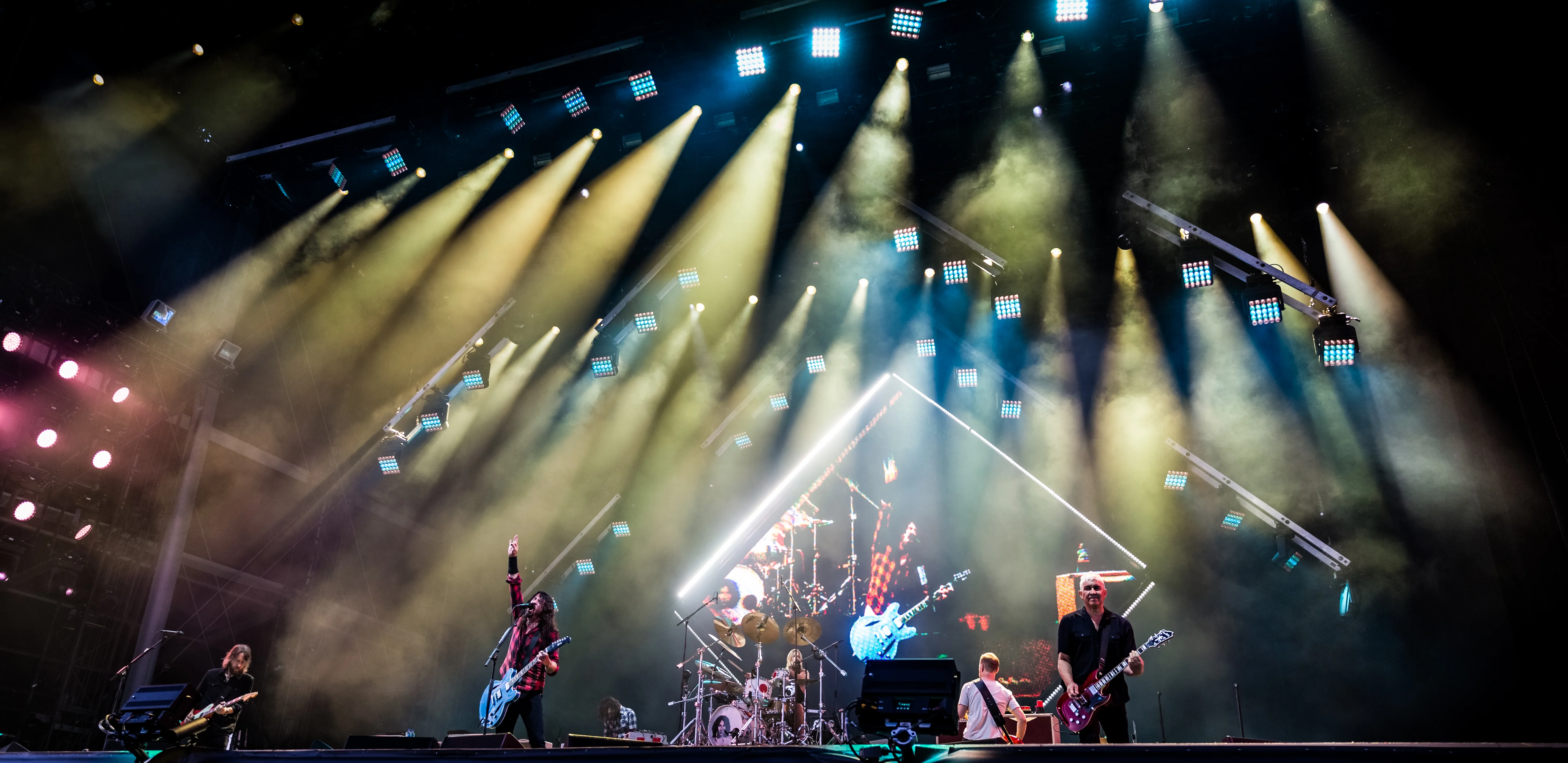
Image from Wikipedia
Image from Wikipedia
Foo Fighters: The Return of Great Rock Format
A band that wrote global rock history from pain, energy, and unwavering attitude
Foo Fighters are among the defining American rock bands of the last three decades. Founded in 1994 by Dave Grohl after the end of Nirvana, the band initially emerged from a profoundly personal moment of reorientation and quickly developed into one of the most successful live and album acts in modern rock. Their sound combines punk impulse, melodic catchiness, massive guitar walls, and a clear arena rock aura that works equally well in stadiums as it does in clubs. ([iam.com](https://www.iam.com/musicians/celebrity-musicians/foo-fighters/?utm_source=openai))
The Origin: From Solo Project to Global Rock Band
The story of Foo Fighters begins with Dave Grohl's retreat into work after the death of Kurt Cobain in April 1994. Grohl recorded almost all instruments himself in Seattle within a few days before these demos evolved into a full band. What started as a private outlet became a public statement: music as processing, as drive, and as a new beginning. The name Foo Fighters originates from World War II, referring to unexplained lights or flying objects in the sky, which gave the project a mysterious, almost mythical touch from the very beginning. ([iam.com](https://www.iam.com/musicians/celebrity-musicians/foo-fighters/?utm_source=openai))
The solo project quickly transformed into a full lineup. Nate Mendel, Pat Smear, and other musicians formed the band, which distinguished itself early on through a remarkable balance of hardness and melody. This mixture made Foo Fighters a band that remained rooted in alternative rock while simultaneously developing a mass-appeal, stadium-ready profile. ([iam.com](https://www.iam.com/musicians/celebrity-musicians/foo-fighters/?utm_source=openai))
Career Progression: From Alternative Hope to Global Institution
The early breakthrough came with the self-titled debut and especially with The Colour and the Shape, an album that sharply defined the characteristic Foo Fighters sound: powerful drums, catchy choruses, edgy riffs, and emotionally charged vocals. Songs like “Everlong” and “My Hero” became generational hits and permanently anchored the band in the collective rock memory. The later catalog confirmed this status with remarkable consistency of commercial success, critical respect, and high live relevance. ([en.wikipedia.org](https://en.wikipedia.org/wiki/Foo_Fighters_discography?utm_source=openai))
Especially notable is the longevity of the band. Foo Fighters have not reduced themselves to a formula for success; instead, they have continually expanded their profile: sometimes raw and direct, sometimes expansive and anthemic, sometimes introspective and vulnerable. This artistic evolution is evident in the way the band has continually recalibrated guitar rock, pop sensibility, and production ideas over the years while maintaining their identity. ([iam.com](https://www.iam.com/musicians/celebrity-musicians/foo-fighters/?utm_source=openai))
Awards, Charts, and the Authority of a Great Rock Catalog
The Foo Fighters are among the most awarded rock bands of their generation. According to available sources, the band has won 15 Grammy Awards, including five for Best Rock Album. Added to this is their induction into the Rock and Roll Hall of Fame, which affirms their cultural significance far beyond individual hits. Their discography is also impressive: twelve studio albums, numerous EPs, singles, live, and video releases document the band's productive endurance. ([iam.com](https://www.iam.com/musicians/celebrity-musicians/foo-fighters/?utm_source=openai))
For a rock band of this size, not only recorded work matters, but also chart presence and cultural history. Foo Fighters are not a nostalgic throwback to the 1990s but an active part of present-day rock. Their songs appear in playlists, radio formats, live recordings, and streaming contexts, maintaining a rare form of relevance: mass-appealing but not trivial. ([iam.com](https://www.iam.com/musicians/celebrity-musicians/foo-fighters/?utm_source=openai))
Musical Development: Between Garage, Anthem, and Emotional Openness
The core of the Foo Fighters' aesthetic lies in the tension between hardness and accessibility. The arrangements often feature clear song architecture, powerful choruses, and a dynamic interplay between reduced verses and explosive outbursts. This compositional economy is what makes the band's sound so effective: each song feels like it is built for maximum live impact without neglecting the studio version. ([iam.com](https://www.iam.com/musicians/celebrity-musicians/foo-fighters/?utm_source=openai))
With later albums, the spectrum has further shifted. The band experimented with longer forms, more massive productions, acoustic elements, and more conceptual approaches while always remaining unmistakably Foo Fighters. This is a rare quality in rock: recognizability without stagnation. This musical evolution explains why the band remains relatable to both long-time fans and younger listeners. ([en.wikipedia.org](https://en.wikipedia.org/wiki/Foo_Fighters?utm_source=openai))
The Recent Phase: Loss, Renewal, and Current Releases
The death of drummer Taylor Hawkins in 2022 marked a profound turning point. The music that followed became noticeably more emotional, open, and vulnerable; But Here We Are is viewed as a direct, raw, and personal response to grief, friendship, and family losses. The band processed this time not with distance but with immediate, honest musical language. This gives the late phase a unique dignity. ([iam.com](https://www.iam.com/musicians/celebrity-musicians/foo-fighters/?utm_source=openai))
In 2025 and 2026, signs of a new chapter intensified. The band released songs such as “Today’s Song” and “Asking for a Friend” in 2025; in the spring of 2026, the twelfth studio album Your Favorite Toy was scheduled for release through Foo Fighters stores and band communication. The associated store pages indicate a release on April 24, 2026, production with Oliver Roman and Mark “Spike” Stent, and a tracklist that clearly reflects the new creative direction. ([en.wikipedia.org](https://en.wikipedia.org/wiki/Your_Favorite_Toy_%28song%29?utm_source=openai))
The band remains present live as well. The official pages refer to tour dates in 2026, FAQ pages about shows, and accompanying content for the new album. Foo Fighters thus remain what they have been for years: a band that always thinks of their recordings for the stage and whose stage presence forms the core of their identity. ([linktr.ee](https://linktr.ee/foofighters))
Discography: The Key Stages of a Great Rock Catalog
The discography of Foo Fighters reads like a textbook on modern rock development. From the self-titled debut to The Colour and the Shape, There Is Nothing Left to Lose, One by One, In Your Honor, Echoes, Silence, Patience & Grace, Wasting Light, Sonic Highways, Concrete and Gold, Medicine at Midnight, and But Here We Are to Your Favorite Toy, their catalog documents various phases of the band's sound over the years. ([en.wikipedia.org](https://en.wikipedia.org/wiki/Foo_Fighters_discography?utm_source=openai))
The biggest hits have long become part of the rock canon. “Everlong,” “My Hero,” “Learn to Fly,” “Best of You,” “Times Like These,” “The Pretender,” and “Walk” represent a song culture that functions between emotional directness and massive hooklines. These tracks particularly illustrate how adept the band is at handling dynamics, arrangements, and chorus architecture. ([music.youtube.com](https://music.youtube.com/channel/UCFRsz0wQzFOpQG6_HUwLMRA?utm_source=openai))
Critical Reception and Cultural Influence
The music press has viewed Foo Fighters for years as one of the most reliable major rock bands of the present. Their albums are regularly assessed on whether they manage to combine stadium size with personal credibility. The fact that this combination continually succeeds explains the enduring respect from critics, the scene, and the audience. ([britannica.com](https://www.britannica.com/topic/Foo-Fighters?utm_source=openai))
Culturally, the band embodies a form of rock music that is neither ironically distanced nor pretentiously nostalgic. Foo Fighters represent vitality, craftsmanship, and emotional directness. They are a band for large spaces, but also for personal moments where music transcends mere entertainment: a means to transform crises into energy. ([iam.com](https://www.iam.com/musicians/celebrity-musicians/foo-fighters/?utm_source=openai))
Voices of Fans
The reactions to the new phase show clear excitement for the mix of nostalgia, hardness, and emotional honesty. On the official channels and associated platforms, the image of a band that continues to be perceived as an event whenever new music or live dates appear is predominant. The fanbase reacts not only with memories but also with genuine anticipation for the next chapter. ([facebook.com](https://www.facebook.com/foofighters/posts/monterrey-coronacapitalsessionsnov-12-estadio-banortetickets-on-sale-sept-6-at-2/1311924660297702/?utm_source=openai))
Conclusion: Why Foo Fighters Remain Exciting Today
Foo Fighters remain exciting because they transform personal history into a public force. The band combines musical skill, strong songs, and credible development over decades. Those who want to understand why modern rock can still possess stadium size, soul, and substance will find an outstanding example in Foo Fighters. Live, this band unleashes their full power: loud, precise, captivating, and always close to the audience. ([iam.com](https://www.iam.com/musicians/celebrity-musicians/foo-fighters/?utm_source=openai))
Official Channels of Foo Fighters:
- Instagram: https://www.instagram.com/foofighters/
- Facebook: https://www.facebook.com/foofighters/
- YouTube: https://www.youtube.com/@FooFighters
- Spotify: https://open.spotify.com/artist/7jy3rLJdDQY21OgRLCZ9sD
- TikTok: https://www.tiktok.com/@foofightersofficial
Sources:
- IAM.com – Foo Fighters, Portrait and Social Media Overview
- Britannica – Foo Fighters
- Wikipedia – Foo Fighters (German)
- Wikipedia – Foo Fighters (English)
- Wikipedia – Foo Fighters discography
- Foo Fighters Official Store – Your Favorite Toy
- Foo Fighters UK Store – Your Favorite Toy
- Foo Fighters UK Store – Your Favorite Toy CD
- Foo Fighters – Official Facebook Post on Live Dates
- Foo Fighters Linktree – Official Links
Upcoming Events
Foo Fighters Concert: Take Cover Tour
Foo Fighters - Take Cover Tour Munich
Foo Fighters – Take Cover Tour
Foo Fighters: Take Cover Tour in Munich