
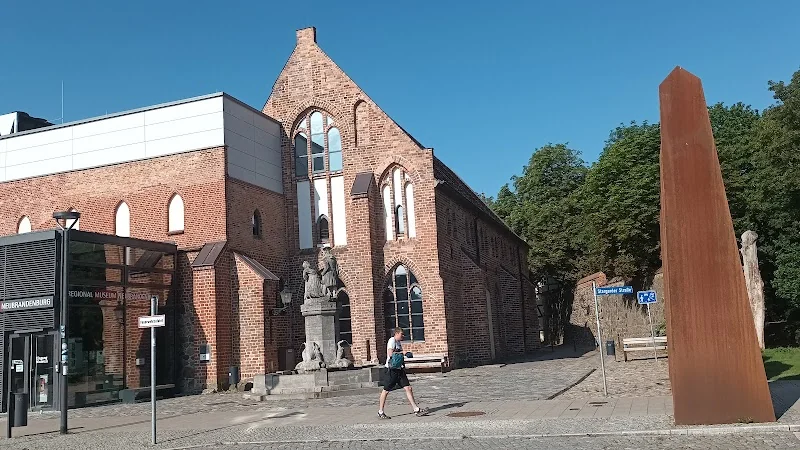
Neubrandenburg
Stargarder Str. 2, 17033 Neubrandenburg, Deutschland
Regional Museum Neubrandenburg | Tickets & Opening Hours
The Regional Museum Neubrandenburg is much more than a classic city museum. Housed in the former Franciscan monastery, one of the oldest buildings in Neubrandenburg, the museum combines historical architecture with a modern, interactive presentation of the city's and region's history. At the same time, the museum operates at several locations in the city center: in the Franciscan monastery, at the Treptow Gate, and in the concert church. Those interested in Neubrandenburg, the history of the Four-Gate City, regional research, or vibrant exhibitions will find a place here that connects knowledge, atmosphere, and orientation for a city tour. The museum was founded in 1872, making it one of the oldest civic museums in Mecklenburg-Vorpommern. Today, it not only showcases the city's past but also its many connections to the region, cultural history, sacred art, and current issues. Visitors encounter collections with tens of thousands of objects, special exhibitions, and an educational program that appeals to children, families, school classes, and groups alike. This makes the Regional Museum a central point of contact for all who want to not only see Neubrandenburg but also understand it. ([museum-neubrandenburg.de](https://www.museum-neubrandenburg.de/Das-Museum/Geschichte/?utm_source=openai))
Tickets, Admission Prices & Combo Ticket at the Regional Museum
Those looking for tickets to the Regional Museum Neubrandenburg will find a clear and well-structured fee schedule. For the main museum in the Franciscan monastery, the single ticket costs 6.00 euros per person. For particularly costly special exhibitions, the admission is 10.00 euros. Those who visit the museum more frequently can use an annual pass for 20.00 euros per person or per institution. Families pay 12.00 euros for a family ticket, which is valid for up to two adults and their school-age children or alternatively for up to two adults and up to three school-age children. For groups of ten or more, the admission is 5.00 euros per person. Additionally, there is a combo ticket for 10.00 euros, which allows visits to the art collection and the Regional Museum in the Franciscan monastery for one month. This offer is particularly practical for guests who want to combine several cultural institutions in one day or over a weekend. ([museum-neubrandenburg.de](https://www.museum-neubrandenburg.de/Ihr-Besuch/Preise/?utm_source=openai))
For schools, training classes, and accompanying persons, the fee schedule also provides discounted rates. Children under six years are exempt from paying admission. Furthermore, the fee schedule mentions discounts for students, trainees, federal volunteers, youths in voluntary ecological or social years, people with disabilities, and recipients of social benefits. Another interesting point for families is the family pass 2025/26, as the city of Neubrandenburg points out that it allows free admission to the Regional Museum. This makes the museum not only a content-wise but also an economically attractive destination for family outings. Those planning additional guided tours, audio guides, or educational offers should keep an eye on the fee schedule, as these services are also transparently regulated there. This allows museum visits to be well planned in advance and tailored to one's group size and budget. ([neubrandenburg.de](https://www.neubrandenburg.de/media/custom/3330_463_1.PDF?1580464007=))
Opening Hours, Visits, and Planning Your Visit
The opening hours of the Regional Museum are particularly important for planning an outing. The main exhibition on the city's and regional history in the Franciscan monastery is open from Wednesday to Sunday from 10:00 AM to 5:00 PM. Visits outside of opening hours are possible with prior registration, which can be organized via the museum's email address museum@neubrandenburg.de. This keeps the museum flexible and accessible for groups, projects, or special occasions. So, if you want to come with family, friends, or a school class, you can easily integrate the visit into your personal schedule. At the same time, the opening hours are long enough to not only discover the permanent exhibition but also additional content and special themes at a leisurely pace. ([museum-neubrandenburg.de](https://www.museum-neubrandenburg.de/Ihr-Besuch/%C3%96ffnungszeiten-/?utm_source=openai))
It is also practical that the Regional Museum operates at several locations, allowing visitors to choose different thematic focuses based on their interests. In the Franciscan monastery, the focus is on city and regional history. The exhibition at the Treptow Gate is dedicated to prehistory and early history but is currently closed due to renovation work. In the concert church, on the other hand, the focus is on the paths to brick Gothic; there are daily opening hours from 10:00 AM to 5:00 PM, except during rehearsals and concerts, as the irregular times fall under the responsibility of the event center. This means for visitors: Before the trip, it is always worthwhile to take a quick look at the museum's current notices, especially if planning to visit multiple locations in one day. This helps avoid waiting times and makes the visit significantly richer in content. ([museum-neubrandenburg.de](https://www.museum-neubrandenburg.de/Ihr-Besuch/%C3%96ffnungszeiten-/?utm_source=openai))
Exhibitions on City and Regional History in the Franciscan Monastery
The centerpiece of the Regional Museum is the permanent exhibition in the former Franciscan monastery. Here, the history of Neubrandenburg is not told dryly or purely chronologically, but spatially, vividly, and with many objects that connect different epochs. Particularly striking is the city model, which draws visitors into the development of the city. It is complemented by the adorers, sacred art, craftsmanship, the Low German poet Fritz Reuter, the depiction of Neubrandenburg as a center of competitive sports, and the memory of the Fünfeichen camp. This mix shows that the museum does not just present individual historical facts, but offers a multifaceted narrative about the city, its breaks, its successes, and its cultural identities. For guests visiting Neubrandenburg for the first time, this provides ideal orientation. For locals, it often opens up new perspectives on familiar places. ([museum-neubrandenburg.de](https://www.museum-neubrandenburg.de/Das-Museum/Standorte/?utm_source=openai))
The exhibitions are deliberately designed to be modern and interactive. This fits well with the history of the house, as the Regional Museum was founded in 1872, initially grew at the Treptow Gate, and moved in 2013 with a focus on city and regional history to the Franciscan monastery. This change of location is not only organizationally interesting but also content-wise coherent, as the monastery itself, being the oldest building in the city, provides a historical stage for the museum. Additionally, the house features changing special exhibitions in the attic, utilizing the unique architecture of the building for ever-new themes. Currently, the museum refers to the exhibition Craftsmanship. Then and Now, which runs from March 28, 2026, to June 21, 2026, and highlights craftsmanship as a defining part of the city's history between tradition, industrialization, and digitalization. Thus, the museum does not stop at the past but connects historical content with current questions and developments. ([museum-neubrandenburg.de](https://www.museum-neubrandenburg.de/Das-Museum/Geschichte/?utm_source=openai))
Treptow Gate, Concert Church, and Other Locations
If one only thinks of the Franciscan monastery when it comes to the Regional Museum, one misses an important part of the overall picture. The museum operates at three locations in the city center, allowing for very different approaches to the city's history. The first permanent exhibition of the region began in 1873 at the Treptow Gate; thus, this location is historically closely linked to the founding of the museum. Today, this location is dedicated to prehistory and early history and the Tollense region. However, the exhibition there is currently closed due to renovation work. This shows how much the museum is also shaped by structural conditions, restoration, and conservation care. For visitors, this means: History is not static but is maintained, updated, and possibly temporarily shown at other locations. ([neubrandenburg.de](https://www.neubrandenburg.de/Sport-Kultur/Kultur/Regionalmuseum/?utm_source=openai))
Another location is the concert church. Here, the exhibition Paths to Brick Gothic can be found, which is dedicated to one of the most distinctive architectural styles in Northern Germany. The place itself is part of the experience, as the architecture of the concert church makes the theme of brick Gothic immediately tangible. This location is particularly rewarding for people interested in architecture, church architecture, or the historical forms of the region. Additionally, the Regional Museum is embedded in urban overviews, the digital city map, and the virtual city tour. Information is even provided at the buildings themselves in the form of audio files. This makes the locations not only exhibition spaces but also stations of an informative city tour. Those who want to culturally discover Neubrandenburg thus receive three content-wise clearly separated but thematically interconnected approaches to the history of the city and its surroundings. ([museum-neubrandenburg.de](https://www.museum-neubrandenburg.de/Das-Museum/Ausstellungen/?utm_source=openai))
Collections, Research, and Historical Holdings
A key reason why the Regional Museum is so exciting lies in its collections. The house describes itself as a research and collection institution, whose holdings have grown over nearly one and a half centuries and now include several tens of thousands of historical objects, documents, and photos. This also includes an extensive library collection with historical and modern specialist literature. The library collection dates back to the 17th century with individual holdings and has been supplemented over time by contemporary documents, donations, and estates. Thematically, the focuses range from German history to the prehistory and early history of Northern and Northeastern Germany, to the history of Mecklenburg and regional history, to the city history of Neubrandenburg and the art and cultural history of the southern Baltic Sea region. For historical research, this is a remarkable treasure trove, as different time levels and perspectives are interconnected here. ([museum-neubrandenburg.de](https://www.museum-neubrandenburg.de/Ihr-Besuch/?utm_source=openai))
Particularly interesting is the newspaper collection, which provides a nearly complete documentation of daily events in Neubrandenburg between 1850 and 1934. It is complemented by a photo archive with several thousand postcards and photos of places, personalities, and events from the region. Additionally, there is an ethnological collection with a focus on Samoa, which forms an exotic and scientifically significant part of the holdings. All of this shows that the Regional Museum is important not only for tourist visits but also for scientific research and local memory culture. The use of the holdings and research aids is generally free of charge, although more elaborate research may incur fees. Those seriously working on the history of Neubrandenburg or its surroundings will find here an institution that goes beyond mere exhibition and actively enables research. ([museum-neubrandenburg.de](https://www.museum-neubrandenburg.de/Sammeln-Forschen/?utm_source=openai))
Directions, Address, and Parking Options in the City Center
The official location for city and regional history is Stargarder Straße 2 in 17033 Neubrandenburg. The administrative office of the museum is located at Treptower Straße 38. Thus, the Regional Museum is situated right in the city center and is closely connected to the historic urban area. This central location is a real advantage for visitors, as the museum visit can be easily combined with a stroll through the old town, other attractions, or a day trip. The city website also refers to a digital city map and the virtual city tour. This makes it clear that the museum is not considered in isolation but is integrated into the cultural network of Neubrandenburg. Those planning a visit can thus not only orient themselves by the street address but also perceive the entire city center as a cohesive cultural area. ([neubrandenburg.de](https://www.neubrandenburg.de/Sport-Kultur/Kultur/Regionalmuseum/?utm_source=openai))
The city's information also provides helpful orientation regarding parking. The information pages for the Regional Museum separately list parking options for the Franciscan monastery and the other museum areas. Although not all parking spaces are detailed individually on the official pages, the clear mention of parking options shows that arriving by car has been considered. In practice, this means: Those visiting the museum should plan for the city center location and the available parking options and allow some time for the last meters through the historic center. Particularly pleasant is that the museum location is additionally accessed through the virtual city tour. This allows a visit to be well combined with a tour where historical buildings, architecture, and city history are experienced step by step in the literal sense. This is a convincing and very well-connected visitor experience, especially for guests visiting Neubrandenburg for the first time. ([neubrandenburg.de](https://www.neubrandenburg.de/index.php?FID=3330.1656.1&ModID=11&kuo=2&object=tx%2C3330.4&utm_source=openai))
Family Offers, Tours, and Educational Programs
The Regional Museum Neubrandenburg is not only aimed at classic museum visitors but explicitly also at families, children, school classes, and groups. On the Education and Encounter page, the museum points out that it shows exhibitions on the history of Neubrandenburg and its surroundings at three locations, as well as changing special exhibitions. At the same time, there is a wide range of educational offerings. During the holidays, special offers are organized, and the museum's pages contain information about children's festivals, Easter holiday offers, and workshops for different age groups. This is particularly important for families looking for an outing with a hands-on character and who want to not only observe but also actively participate. Additionally, there are offers such as children's birthdays at the Regional Museum or special exploratory tours through medieval Neubrandenburg. ([museum-neubrandenburg.de](https://www.museum-neubrandenburg.de/Bildung-Begegnung/?utm_source=openai))
The museum is also well-equipped for groups and school classes. According to the fee schedule, a guided tour for up to 20 people costs 50.00 euros plus admission. For school and training classes and their supervisors, the guiding fee is 25.00 euros plus admission. Those who prefer to explore independently can use an audio guide for a fee of 2.50 euros per person. This is particularly interesting for longer visits or educational projects, as the offers are well combinable. The museum education has a clear goal: history should not only be conveyed but also made tangible. That is why the programs are designed to remain understandable and appealing for both children and adults. For all those looking for regional history, family offers, or a group-friendly outing destination, the Regional Museum is thus a very good address. ([neubrandenburg.de](https://www.neubrandenburg.de/media/custom/3330_463_1.PDF?1580464007=))
Current Program, Special Exhibitions, and Why a Visit is Worthwhile Now
The current program clearly shows that the Regional Museum is a lively cultural place and not just a place of preservation. The homepage highlights the exhibition Craftsmanship. Then and Now, which runs from March 28, 2026, to June 21, 2026. There are also retrospectives and information about a children's festival, Easter holiday offers, and other events. Those looking for a suitable outing can thus not only orient themselves by historical permanent exhibitions but also by a changing annual program. This makes the search for tickets or the current program particularly meaningful, as the visit can have very different focuses depending on the season. Especially for families and culture-interested guests, this is a plus, as there are always new occasions for a second visit. ([museum-neubrandenburg.de](https://www.museum-neubrandenburg.de/?utm_source=openai))
Content-wise, the Regional Museum is particularly attractive because it does not present Neubrandenburg as a closed historical chapter but as a city with long-term development, research questions, and contemporary relevance. The special exhibition on craftsmanship illustrates this particularly clearly: craftsmanship is not only told as a past trade but as part of urban identity, which changes with industrialization, globalization, and digitalization. This is the strength of the museum: it creates connections between the past and the present and remains open to different target groups. Those searching for reviews in advance will primarily expect a house that impresses with its location, thematic diversity, and mix of history, architecture, and education. However, for the actual decision to visit, the current opening hours, admission prices, and the ongoing program are the most important key data. With this information, the outing can be well planned and meaningfully combined with a tour through Neubrandenburg. ([museum-neubrandenburg.de](https://www.museum-neubrandenburg.de/?utm_source=openai))
Sources:
- Regional Museum Neubrandenburg - Official Website
- Regional Museum Neubrandenburg - Your Visit
- Regional Museum Neubrandenburg - Prices
- Regional Museum Neubrandenburg - The Museum
- Regional Museum Neubrandenburg - History
- Regional Museum Neubrandenburg - Locations
- Regional Museum Neubrandenburg - Education and Encounter
- City of Neubrandenburg - Regional Museum
Show moreShow less
Regional Museum Neubrandenburg | Tickets & Opening Hours
The Regional Museum Neubrandenburg is much more than a classic city museum. Housed in the former Franciscan monastery, one of the oldest buildings in Neubrandenburg, the museum combines historical architecture with a modern, interactive presentation of the city's and region's history. At the same time, the museum operates at several locations in the city center: in the Franciscan monastery, at the Treptow Gate, and in the concert church. Those interested in Neubrandenburg, the history of the Four-Gate City, regional research, or vibrant exhibitions will find a place here that connects knowledge, atmosphere, and orientation for a city tour. The museum was founded in 1872, making it one of the oldest civic museums in Mecklenburg-Vorpommern. Today, it not only showcases the city's past but also its many connections to the region, cultural history, sacred art, and current issues. Visitors encounter collections with tens of thousands of objects, special exhibitions, and an educational program that appeals to children, families, school classes, and groups alike. This makes the Regional Museum a central point of contact for all who want to not only see Neubrandenburg but also understand it. ([museum-neubrandenburg.de](https://www.museum-neubrandenburg.de/Das-Museum/Geschichte/?utm_source=openai))
Tickets, Admission Prices & Combo Ticket at the Regional Museum
Those looking for tickets to the Regional Museum Neubrandenburg will find a clear and well-structured fee schedule. For the main museum in the Franciscan monastery, the single ticket costs 6.00 euros per person. For particularly costly special exhibitions, the admission is 10.00 euros. Those who visit the museum more frequently can use an annual pass for 20.00 euros per person or per institution. Families pay 12.00 euros for a family ticket, which is valid for up to two adults and their school-age children or alternatively for up to two adults and up to three school-age children. For groups of ten or more, the admission is 5.00 euros per person. Additionally, there is a combo ticket for 10.00 euros, which allows visits to the art collection and the Regional Museum in the Franciscan monastery for one month. This offer is particularly practical for guests who want to combine several cultural institutions in one day or over a weekend. ([museum-neubrandenburg.de](https://www.museum-neubrandenburg.de/Ihr-Besuch/Preise/?utm_source=openai))
For schools, training classes, and accompanying persons, the fee schedule also provides discounted rates. Children under six years are exempt from paying admission. Furthermore, the fee schedule mentions discounts for students, trainees, federal volunteers, youths in voluntary ecological or social years, people with disabilities, and recipients of social benefits. Another interesting point for families is the family pass 2025/26, as the city of Neubrandenburg points out that it allows free admission to the Regional Museum. This makes the museum not only a content-wise but also an economically attractive destination for family outings. Those planning additional guided tours, audio guides, or educational offers should keep an eye on the fee schedule, as these services are also transparently regulated there. This allows museum visits to be well planned in advance and tailored to one's group size and budget. ([neubrandenburg.de](https://www.neubrandenburg.de/media/custom/3330_463_1.PDF?1580464007=))
Opening Hours, Visits, and Planning Your Visit
The opening hours of the Regional Museum are particularly important for planning an outing. The main exhibition on the city's and regional history in the Franciscan monastery is open from Wednesday to Sunday from 10:00 AM to 5:00 PM. Visits outside of opening hours are possible with prior registration, which can be organized via the museum's email address museum@neubrandenburg.de. This keeps the museum flexible and accessible for groups, projects, or special occasions. So, if you want to come with family, friends, or a school class, you can easily integrate the visit into your personal schedule. At the same time, the opening hours are long enough to not only discover the permanent exhibition but also additional content and special themes at a leisurely pace. ([museum-neubrandenburg.de](https://www.museum-neubrandenburg.de/Ihr-Besuch/%C3%96ffnungszeiten-/?utm_source=openai))
It is also practical that the Regional Museum operates at several locations, allowing visitors to choose different thematic focuses based on their interests. In the Franciscan monastery, the focus is on city and regional history. The exhibition at the Treptow Gate is dedicated to prehistory and early history but is currently closed due to renovation work. In the concert church, on the other hand, the focus is on the paths to brick Gothic; there are daily opening hours from 10:00 AM to 5:00 PM, except during rehearsals and concerts, as the irregular times fall under the responsibility of the event center. This means for visitors: Before the trip, it is always worthwhile to take a quick look at the museum's current notices, especially if planning to visit multiple locations in one day. This helps avoid waiting times and makes the visit significantly richer in content. ([museum-neubrandenburg.de](https://www.museum-neubrandenburg.de/Ihr-Besuch/%C3%96ffnungszeiten-/?utm_source=openai))
Exhibitions on City and Regional History in the Franciscan Monastery
The centerpiece of the Regional Museum is the permanent exhibition in the former Franciscan monastery. Here, the history of Neubrandenburg is not told dryly or purely chronologically, but spatially, vividly, and with many objects that connect different epochs. Particularly striking is the city model, which draws visitors into the development of the city. It is complemented by the adorers, sacred art, craftsmanship, the Low German poet Fritz Reuter, the depiction of Neubrandenburg as a center of competitive sports, and the memory of the Fünfeichen camp. This mix shows that the museum does not just present individual historical facts, but offers a multifaceted narrative about the city, its breaks, its successes, and its cultural identities. For guests visiting Neubrandenburg for the first time, this provides ideal orientation. For locals, it often opens up new perspectives on familiar places. ([museum-neubrandenburg.de](https://www.museum-neubrandenburg.de/Das-Museum/Standorte/?utm_source=openai))
The exhibitions are deliberately designed to be modern and interactive. This fits well with the history of the house, as the Regional Museum was founded in 1872, initially grew at the Treptow Gate, and moved in 2013 with a focus on city and regional history to the Franciscan monastery. This change of location is not only organizationally interesting but also content-wise coherent, as the monastery itself, being the oldest building in the city, provides a historical stage for the museum. Additionally, the house features changing special exhibitions in the attic, utilizing the unique architecture of the building for ever-new themes. Currently, the museum refers to the exhibition Craftsmanship. Then and Now, which runs from March 28, 2026, to June 21, 2026, and highlights craftsmanship as a defining part of the city's history between tradition, industrialization, and digitalization. Thus, the museum does not stop at the past but connects historical content with current questions and developments. ([museum-neubrandenburg.de](https://www.museum-neubrandenburg.de/Das-Museum/Geschichte/?utm_source=openai))
Treptow Gate, Concert Church, and Other Locations
If one only thinks of the Franciscan monastery when it comes to the Regional Museum, one misses an important part of the overall picture. The museum operates at three locations in the city center, allowing for very different approaches to the city's history. The first permanent exhibition of the region began in 1873 at the Treptow Gate; thus, this location is historically closely linked to the founding of the museum. Today, this location is dedicated to prehistory and early history and the Tollense region. However, the exhibition there is currently closed due to renovation work. This shows how much the museum is also shaped by structural conditions, restoration, and conservation care. For visitors, this means: History is not static but is maintained, updated, and possibly temporarily shown at other locations. ([neubrandenburg.de](https://www.neubrandenburg.de/Sport-Kultur/Kultur/Regionalmuseum/?utm_source=openai))
Another location is the concert church. Here, the exhibition Paths to Brick Gothic can be found, which is dedicated to one of the most distinctive architectural styles in Northern Germany. The place itself is part of the experience, as the architecture of the concert church makes the theme of brick Gothic immediately tangible. This location is particularly rewarding for people interested in architecture, church architecture, or the historical forms of the region. Additionally, the Regional Museum is embedded in urban overviews, the digital city map, and the virtual city tour. Information is even provided at the buildings themselves in the form of audio files. This makes the locations not only exhibition spaces but also stations of an informative city tour. Those who want to culturally discover Neubrandenburg thus receive three content-wise clearly separated but thematically interconnected approaches to the history of the city and its surroundings. ([museum-neubrandenburg.de](https://www.museum-neubrandenburg.de/Das-Museum/Ausstellungen/?utm_source=openai))
Collections, Research, and Historical Holdings
A key reason why the Regional Museum is so exciting lies in its collections. The house describes itself as a research and collection institution, whose holdings have grown over nearly one and a half centuries and now include several tens of thousands of historical objects, documents, and photos. This also includes an extensive library collection with historical and modern specialist literature. The library collection dates back to the 17th century with individual holdings and has been supplemented over time by contemporary documents, donations, and estates. Thematically, the focuses range from German history to the prehistory and early history of Northern and Northeastern Germany, to the history of Mecklenburg and regional history, to the city history of Neubrandenburg and the art and cultural history of the southern Baltic Sea region. For historical research, this is a remarkable treasure trove, as different time levels and perspectives are interconnected here. ([museum-neubrandenburg.de](https://www.museum-neubrandenburg.de/Ihr-Besuch/?utm_source=openai))
Particularly interesting is the newspaper collection, which provides a nearly complete documentation of daily events in Neubrandenburg between 1850 and 1934. It is complemented by a photo archive with several thousand postcards and photos of places, personalities, and events from the region. Additionally, there is an ethnological collection with a focus on Samoa, which forms an exotic and scientifically significant part of the holdings. All of this shows that the Regional Museum is important not only for tourist visits but also for scientific research and local memory culture. The use of the holdings and research aids is generally free of charge, although more elaborate research may incur fees. Those seriously working on the history of Neubrandenburg or its surroundings will find here an institution that goes beyond mere exhibition and actively enables research. ([museum-neubrandenburg.de](https://www.museum-neubrandenburg.de/Sammeln-Forschen/?utm_source=openai))
Directions, Address, and Parking Options in the City Center
The official location for city and regional history is Stargarder Straße 2 in 17033 Neubrandenburg. The administrative office of the museum is located at Treptower Straße 38. Thus, the Regional Museum is situated right in the city center and is closely connected to the historic urban area. This central location is a real advantage for visitors, as the museum visit can be easily combined with a stroll through the old town, other attractions, or a day trip. The city website also refers to a digital city map and the virtual city tour. This makes it clear that the museum is not considered in isolation but is integrated into the cultural network of Neubrandenburg. Those planning a visit can thus not only orient themselves by the street address but also perceive the entire city center as a cohesive cultural area. ([neubrandenburg.de](https://www.neubrandenburg.de/Sport-Kultur/Kultur/Regionalmuseum/?utm_source=openai))
The city's information also provides helpful orientation regarding parking. The information pages for the Regional Museum separately list parking options for the Franciscan monastery and the other museum areas. Although not all parking spaces are detailed individually on the official pages, the clear mention of parking options shows that arriving by car has been considered. In practice, this means: Those visiting the museum should plan for the city center location and the available parking options and allow some time for the last meters through the historic center. Particularly pleasant is that the museum location is additionally accessed through the virtual city tour. This allows a visit to be well combined with a tour where historical buildings, architecture, and city history are experienced step by step in the literal sense. This is a convincing and very well-connected visitor experience, especially for guests visiting Neubrandenburg for the first time. ([neubrandenburg.de](https://www.neubrandenburg.de/index.php?FID=3330.1656.1&ModID=11&kuo=2&object=tx%2C3330.4&utm_source=openai))
Family Offers, Tours, and Educational Programs
The Regional Museum Neubrandenburg is not only aimed at classic museum visitors but explicitly also at families, children, school classes, and groups. On the Education and Encounter page, the museum points out that it shows exhibitions on the history of Neubrandenburg and its surroundings at three locations, as well as changing special exhibitions. At the same time, there is a wide range of educational offerings. During the holidays, special offers are organized, and the museum's pages contain information about children's festivals, Easter holiday offers, and workshops for different age groups. This is particularly important for families looking for an outing with a hands-on character and who want to not only observe but also actively participate. Additionally, there are offers such as children's birthdays at the Regional Museum or special exploratory tours through medieval Neubrandenburg. ([museum-neubrandenburg.de](https://www.museum-neubrandenburg.de/Bildung-Begegnung/?utm_source=openai))
The museum is also well-equipped for groups and school classes. According to the fee schedule, a guided tour for up to 20 people costs 50.00 euros plus admission. For school and training classes and their supervisors, the guiding fee is 25.00 euros plus admission. Those who prefer to explore independently can use an audio guide for a fee of 2.50 euros per person. This is particularly interesting for longer visits or educational projects, as the offers are well combinable. The museum education has a clear goal: history should not only be conveyed but also made tangible. That is why the programs are designed to remain understandable and appealing for both children and adults. For all those looking for regional history, family offers, or a group-friendly outing destination, the Regional Museum is thus a very good address. ([neubrandenburg.de](https://www.neubrandenburg.de/media/custom/3330_463_1.PDF?1580464007=))
Current Program, Special Exhibitions, and Why a Visit is Worthwhile Now
The current program clearly shows that the Regional Museum is a lively cultural place and not just a place of preservation. The homepage highlights the exhibition Craftsmanship. Then and Now, which runs from March 28, 2026, to June 21, 2026. There are also retrospectives and information about a children's festival, Easter holiday offers, and other events. Those looking for a suitable outing can thus not only orient themselves by historical permanent exhibitions but also by a changing annual program. This makes the search for tickets or the current program particularly meaningful, as the visit can have very different focuses depending on the season. Especially for families and culture-interested guests, this is a plus, as there are always new occasions for a second visit. ([museum-neubrandenburg.de](https://www.museum-neubrandenburg.de/?utm_source=openai))
Content-wise, the Regional Museum is particularly attractive because it does not present Neubrandenburg as a closed historical chapter but as a city with long-term development, research questions, and contemporary relevance. The special exhibition on craftsmanship illustrates this particularly clearly: craftsmanship is not only told as a past trade but as part of urban identity, which changes with industrialization, globalization, and digitalization. This is the strength of the museum: it creates connections between the past and the present and remains open to different target groups. Those searching for reviews in advance will primarily expect a house that impresses with its location, thematic diversity, and mix of history, architecture, and education. However, for the actual decision to visit, the current opening hours, admission prices, and the ongoing program are the most important key data. With this information, the outing can be well planned and meaningfully combined with a tour through Neubrandenburg. ([museum-neubrandenburg.de](https://www.museum-neubrandenburg.de/?utm_source=openai))
Sources:
- Regional Museum Neubrandenburg - Official Website
- Regional Museum Neubrandenburg - Your Visit
- Regional Museum Neubrandenburg - Prices
- Regional Museum Neubrandenburg - The Museum
- Regional Museum Neubrandenburg - History
- Regional Museum Neubrandenburg - Locations
- Regional Museum Neubrandenburg - Education and Encounter
- City of Neubrandenburg - Regional Museum
Regional Museum Neubrandenburg | Tickets & Opening Hours
The Regional Museum Neubrandenburg is much more than a classic city museum. Housed in the former Franciscan monastery, one of the oldest buildings in Neubrandenburg, the museum combines historical architecture with a modern, interactive presentation of the city's and region's history. At the same time, the museum operates at several locations in the city center: in the Franciscan monastery, at the Treptow Gate, and in the concert church. Those interested in Neubrandenburg, the history of the Four-Gate City, regional research, or vibrant exhibitions will find a place here that connects knowledge, atmosphere, and orientation for a city tour. The museum was founded in 1872, making it one of the oldest civic museums in Mecklenburg-Vorpommern. Today, it not only showcases the city's past but also its many connections to the region, cultural history, sacred art, and current issues. Visitors encounter collections with tens of thousands of objects, special exhibitions, and an educational program that appeals to children, families, school classes, and groups alike. This makes the Regional Museum a central point of contact for all who want to not only see Neubrandenburg but also understand it. ([museum-neubrandenburg.de](https://www.museum-neubrandenburg.de/Das-Museum/Geschichte/?utm_source=openai))
Tickets, Admission Prices & Combo Ticket at the Regional Museum
Those looking for tickets to the Regional Museum Neubrandenburg will find a clear and well-structured fee schedule. For the main museum in the Franciscan monastery, the single ticket costs 6.00 euros per person. For particularly costly special exhibitions, the admission is 10.00 euros. Those who visit the museum more frequently can use an annual pass for 20.00 euros per person or per institution. Families pay 12.00 euros for a family ticket, which is valid for up to two adults and their school-age children or alternatively for up to two adults and up to three school-age children. For groups of ten or more, the admission is 5.00 euros per person. Additionally, there is a combo ticket for 10.00 euros, which allows visits to the art collection and the Regional Museum in the Franciscan monastery for one month. This offer is particularly practical for guests who want to combine several cultural institutions in one day or over a weekend. ([museum-neubrandenburg.de](https://www.museum-neubrandenburg.de/Ihr-Besuch/Preise/?utm_source=openai))
For schools, training classes, and accompanying persons, the fee schedule also provides discounted rates. Children under six years are exempt from paying admission. Furthermore, the fee schedule mentions discounts for students, trainees, federal volunteers, youths in voluntary ecological or social years, people with disabilities, and recipients of social benefits. Another interesting point for families is the family pass 2025/26, as the city of Neubrandenburg points out that it allows free admission to the Regional Museum. This makes the museum not only a content-wise but also an economically attractive destination for family outings. Those planning additional guided tours, audio guides, or educational offers should keep an eye on the fee schedule, as these services are also transparently regulated there. This allows museum visits to be well planned in advance and tailored to one's group size and budget. ([neubrandenburg.de](https://www.neubrandenburg.de/media/custom/3330_463_1.PDF?1580464007=))
Opening Hours, Visits, and Planning Your Visit
The opening hours of the Regional Museum are particularly important for planning an outing. The main exhibition on the city's and regional history in the Franciscan monastery is open from Wednesday to Sunday from 10:00 AM to 5:00 PM. Visits outside of opening hours are possible with prior registration, which can be organized via the museum's email address museum@neubrandenburg.de. This keeps the museum flexible and accessible for groups, projects, or special occasions. So, if you want to come with family, friends, or a school class, you can easily integrate the visit into your personal schedule. At the same time, the opening hours are long enough to not only discover the permanent exhibition but also additional content and special themes at a leisurely pace. ([museum-neubrandenburg.de](https://www.museum-neubrandenburg.de/Ihr-Besuch/%C3%96ffnungszeiten-/?utm_source=openai))
It is also practical that the Regional Museum operates at several locations, allowing visitors to choose different thematic focuses based on their interests. In the Franciscan monastery, the focus is on city and regional history. The exhibition at the Treptow Gate is dedicated to prehistory and early history but is currently closed due to renovation work. In the concert church, on the other hand, the focus is on the paths to brick Gothic; there are daily opening hours from 10:00 AM to 5:00 PM, except during rehearsals and concerts, as the irregular times fall under the responsibility of the event center. This means for visitors: Before the trip, it is always worthwhile to take a quick look at the museum's current notices, especially if planning to visit multiple locations in one day. This helps avoid waiting times and makes the visit significantly richer in content. ([museum-neubrandenburg.de](https://www.museum-neubrandenburg.de/Ihr-Besuch/%C3%96ffnungszeiten-/?utm_source=openai))
Exhibitions on City and Regional History in the Franciscan Monastery
The centerpiece of the Regional Museum is the permanent exhibition in the former Franciscan monastery. Here, the history of Neubrandenburg is not told dryly or purely chronologically, but spatially, vividly, and with many objects that connect different epochs. Particularly striking is the city model, which draws visitors into the development of the city. It is complemented by the adorers, sacred art, craftsmanship, the Low German poet Fritz Reuter, the depiction of Neubrandenburg as a center of competitive sports, and the memory of the Fünfeichen camp. This mix shows that the museum does not just present individual historical facts, but offers a multifaceted narrative about the city, its breaks, its successes, and its cultural identities. For guests visiting Neubrandenburg for the first time, this provides ideal orientation. For locals, it often opens up new perspectives on familiar places. ([museum-neubrandenburg.de](https://www.museum-neubrandenburg.de/Das-Museum/Standorte/?utm_source=openai))
The exhibitions are deliberately designed to be modern and interactive. This fits well with the history of the house, as the Regional Museum was founded in 1872, initially grew at the Treptow Gate, and moved in 2013 with a focus on city and regional history to the Franciscan monastery. This change of location is not only organizationally interesting but also content-wise coherent, as the monastery itself, being the oldest building in the city, provides a historical stage for the museum. Additionally, the house features changing special exhibitions in the attic, utilizing the unique architecture of the building for ever-new themes. Currently, the museum refers to the exhibition Craftsmanship. Then and Now, which runs from March 28, 2026, to June 21, 2026, and highlights craftsmanship as a defining part of the city's history between tradition, industrialization, and digitalization. Thus, the museum does not stop at the past but connects historical content with current questions and developments. ([museum-neubrandenburg.de](https://www.museum-neubrandenburg.de/Das-Museum/Geschichte/?utm_source=openai))
Treptow Gate, Concert Church, and Other Locations
If one only thinks of the Franciscan monastery when it comes to the Regional Museum, one misses an important part of the overall picture. The museum operates at three locations in the city center, allowing for very different approaches to the city's history. The first permanent exhibition of the region began in 1873 at the Treptow Gate; thus, this location is historically closely linked to the founding of the museum. Today, this location is dedicated to prehistory and early history and the Tollense region. However, the exhibition there is currently closed due to renovation work. This shows how much the museum is also shaped by structural conditions, restoration, and conservation care. For visitors, this means: History is not static but is maintained, updated, and possibly temporarily shown at other locations. ([neubrandenburg.de](https://www.neubrandenburg.de/Sport-Kultur/Kultur/Regionalmuseum/?utm_source=openai))
Another location is the concert church. Here, the exhibition Paths to Brick Gothic can be found, which is dedicated to one of the most distinctive architectural styles in Northern Germany. The place itself is part of the experience, as the architecture of the concert church makes the theme of brick Gothic immediately tangible. This location is particularly rewarding for people interested in architecture, church architecture, or the historical forms of the region. Additionally, the Regional Museum is embedded in urban overviews, the digital city map, and the virtual city tour. Information is even provided at the buildings themselves in the form of audio files. This makes the locations not only exhibition spaces but also stations of an informative city tour. Those who want to culturally discover Neubrandenburg thus receive three content-wise clearly separated but thematically interconnected approaches to the history of the city and its surroundings. ([museum-neubrandenburg.de](https://www.museum-neubrandenburg.de/Das-Museum/Ausstellungen/?utm_source=openai))
Collections, Research, and Historical Holdings
A key reason why the Regional Museum is so exciting lies in its collections. The house describes itself as a research and collection institution, whose holdings have grown over nearly one and a half centuries and now include several tens of thousands of historical objects, documents, and photos. This also includes an extensive library collection with historical and modern specialist literature. The library collection dates back to the 17th century with individual holdings and has been supplemented over time by contemporary documents, donations, and estates. Thematically, the focuses range from German history to the prehistory and early history of Northern and Northeastern Germany, to the history of Mecklenburg and regional history, to the city history of Neubrandenburg and the art and cultural history of the southern Baltic Sea region. For historical research, this is a remarkable treasure trove, as different time levels and perspectives are interconnected here. ([museum-neubrandenburg.de](https://www.museum-neubrandenburg.de/Ihr-Besuch/?utm_source=openai))
Particularly interesting is the newspaper collection, which provides a nearly complete documentation of daily events in Neubrandenburg between 1850 and 1934. It is complemented by a photo archive with several thousand postcards and photos of places, personalities, and events from the region. Additionally, there is an ethnological collection with a focus on Samoa, which forms an exotic and scientifically significant part of the holdings. All of this shows that the Regional Museum is important not only for tourist visits but also for scientific research and local memory culture. The use of the holdings and research aids is generally free of charge, although more elaborate research may incur fees. Those seriously working on the history of Neubrandenburg or its surroundings will find here an institution that goes beyond mere exhibition and actively enables research. ([museum-neubrandenburg.de](https://www.museum-neubrandenburg.de/Sammeln-Forschen/?utm_source=openai))
Directions, Address, and Parking Options in the City Center
The official location for city and regional history is Stargarder Straße 2 in 17033 Neubrandenburg. The administrative office of the museum is located at Treptower Straße 38. Thus, the Regional Museum is situated right in the city center and is closely connected to the historic urban area. This central location is a real advantage for visitors, as the museum visit can be easily combined with a stroll through the old town, other attractions, or a day trip. The city website also refers to a digital city map and the virtual city tour. This makes it clear that the museum is not considered in isolation but is integrated into the cultural network of Neubrandenburg. Those planning a visit can thus not only orient themselves by the street address but also perceive the entire city center as a cohesive cultural area. ([neubrandenburg.de](https://www.neubrandenburg.de/Sport-Kultur/Kultur/Regionalmuseum/?utm_source=openai))
The city's information also provides helpful orientation regarding parking. The information pages for the Regional Museum separately list parking options for the Franciscan monastery and the other museum areas. Although not all parking spaces are detailed individually on the official pages, the clear mention of parking options shows that arriving by car has been considered. In practice, this means: Those visiting the museum should plan for the city center location and the available parking options and allow some time for the last meters through the historic center. Particularly pleasant is that the museum location is additionally accessed through the virtual city tour. This allows a visit to be well combined with a tour where historical buildings, architecture, and city history are experienced step by step in the literal sense. This is a convincing and very well-connected visitor experience, especially for guests visiting Neubrandenburg for the first time. ([neubrandenburg.de](https://www.neubrandenburg.de/index.php?FID=3330.1656.1&ModID=11&kuo=2&object=tx%2C3330.4&utm_source=openai))
Family Offers, Tours, and Educational Programs
The Regional Museum Neubrandenburg is not only aimed at classic museum visitors but explicitly also at families, children, school classes, and groups. On the Education and Encounter page, the museum points out that it shows exhibitions on the history of Neubrandenburg and its surroundings at three locations, as well as changing special exhibitions. At the same time, there is a wide range of educational offerings. During the holidays, special offers are organized, and the museum's pages contain information about children's festivals, Easter holiday offers, and workshops for different age groups. This is particularly important for families looking for an outing with a hands-on character and who want to not only observe but also actively participate. Additionally, there are offers such as children's birthdays at the Regional Museum or special exploratory tours through medieval Neubrandenburg. ([museum-neubrandenburg.de](https://www.museum-neubrandenburg.de/Bildung-Begegnung/?utm_source=openai))
The museum is also well-equipped for groups and school classes. According to the fee schedule, a guided tour for up to 20 people costs 50.00 euros plus admission. For school and training classes and their supervisors, the guiding fee is 25.00 euros plus admission. Those who prefer to explore independently can use an audio guide for a fee of 2.50 euros per person. This is particularly interesting for longer visits or educational projects, as the offers are well combinable. The museum education has a clear goal: history should not only be conveyed but also made tangible. That is why the programs are designed to remain understandable and appealing for both children and adults. For all those looking for regional history, family offers, or a group-friendly outing destination, the Regional Museum is thus a very good address. ([neubrandenburg.de](https://www.neubrandenburg.de/media/custom/3330_463_1.PDF?1580464007=))
Current Program, Special Exhibitions, and Why a Visit is Worthwhile Now
The current program clearly shows that the Regional Museum is a lively cultural place and not just a place of preservation. The homepage highlights the exhibition Craftsmanship. Then and Now, which runs from March 28, 2026, to June 21, 2026. There are also retrospectives and information about a children's festival, Easter holiday offers, and other events. Those looking for a suitable outing can thus not only orient themselves by historical permanent exhibitions but also by a changing annual program. This makes the search for tickets or the current program particularly meaningful, as the visit can have very different focuses depending on the season. Especially for families and culture-interested guests, this is a plus, as there are always new occasions for a second visit. ([museum-neubrandenburg.de](https://www.museum-neubrandenburg.de/?utm_source=openai))
Content-wise, the Regional Museum is particularly attractive because it does not present Neubrandenburg as a closed historical chapter but as a city with long-term development, research questions, and contemporary relevance. The special exhibition on craftsmanship illustrates this particularly clearly: craftsmanship is not only told as a past trade but as part of urban identity, which changes with industrialization, globalization, and digitalization. This is the strength of the museum: it creates connections between the past and the present and remains open to different target groups. Those searching for reviews in advance will primarily expect a house that impresses with its location, thematic diversity, and mix of history, architecture, and education. However, for the actual decision to visit, the current opening hours, admission prices, and the ongoing program are the most important key data. With this information, the outing can be well planned and meaningfully combined with a tour through Neubrandenburg. ([museum-neubrandenburg.de](https://www.museum-neubrandenburg.de/?utm_source=openai))
Sources:
- Regional Museum Neubrandenburg - Official Website
- Regional Museum Neubrandenburg - Your Visit
- Regional Museum Neubrandenburg - Prices
- Regional Museum Neubrandenburg - The Museum
- Regional Museum Neubrandenburg - History
- Regional Museum Neubrandenburg - Locations
- Regional Museum Neubrandenburg - Education and Encounter
- City of Neubrandenburg - Regional Museum
Upcoming Events
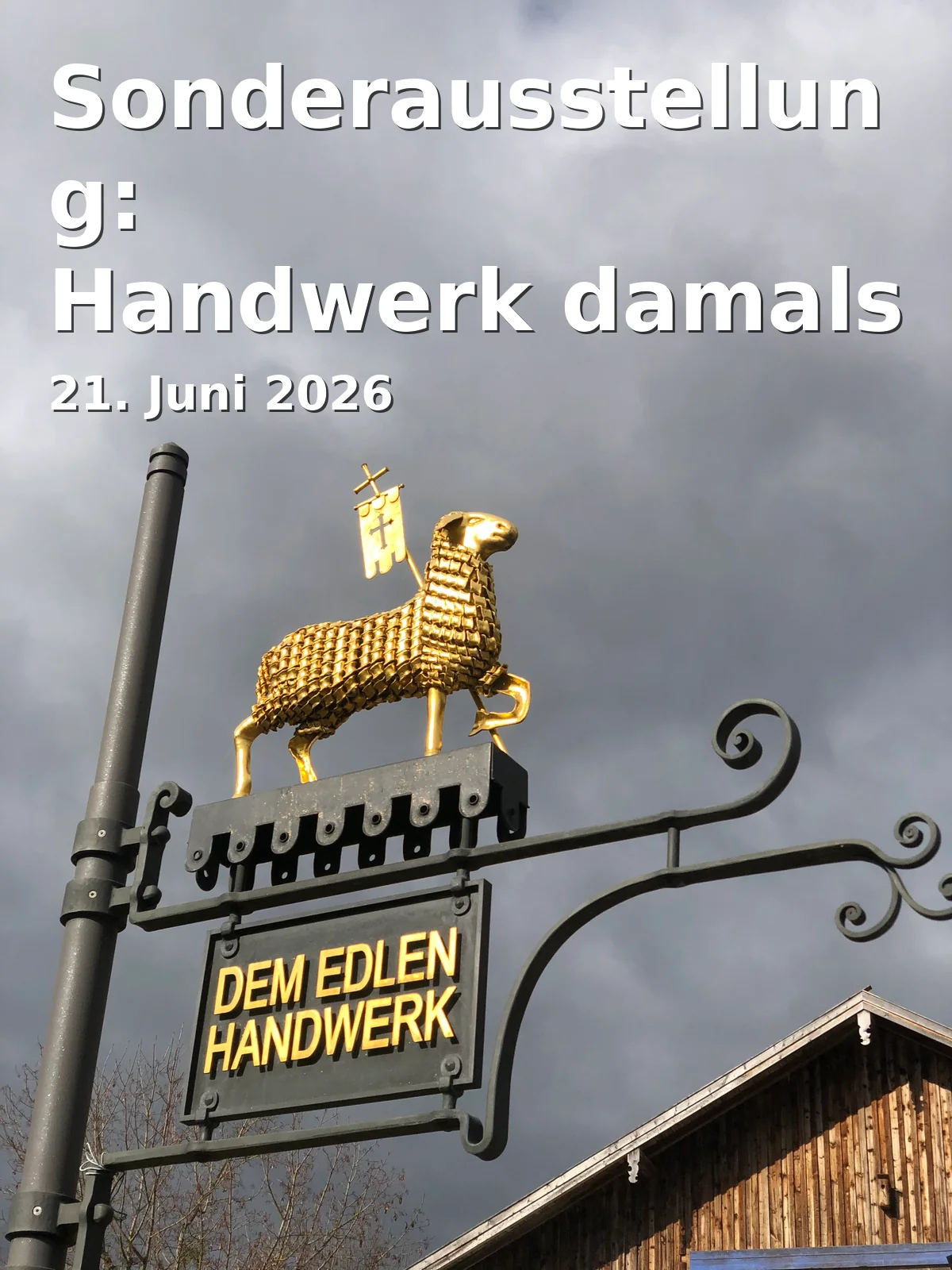
Special Exhibition: Craftsmanship Then and Now
Experience historical and modern craftsmanship in Neubrandenburg's Regional Museum.
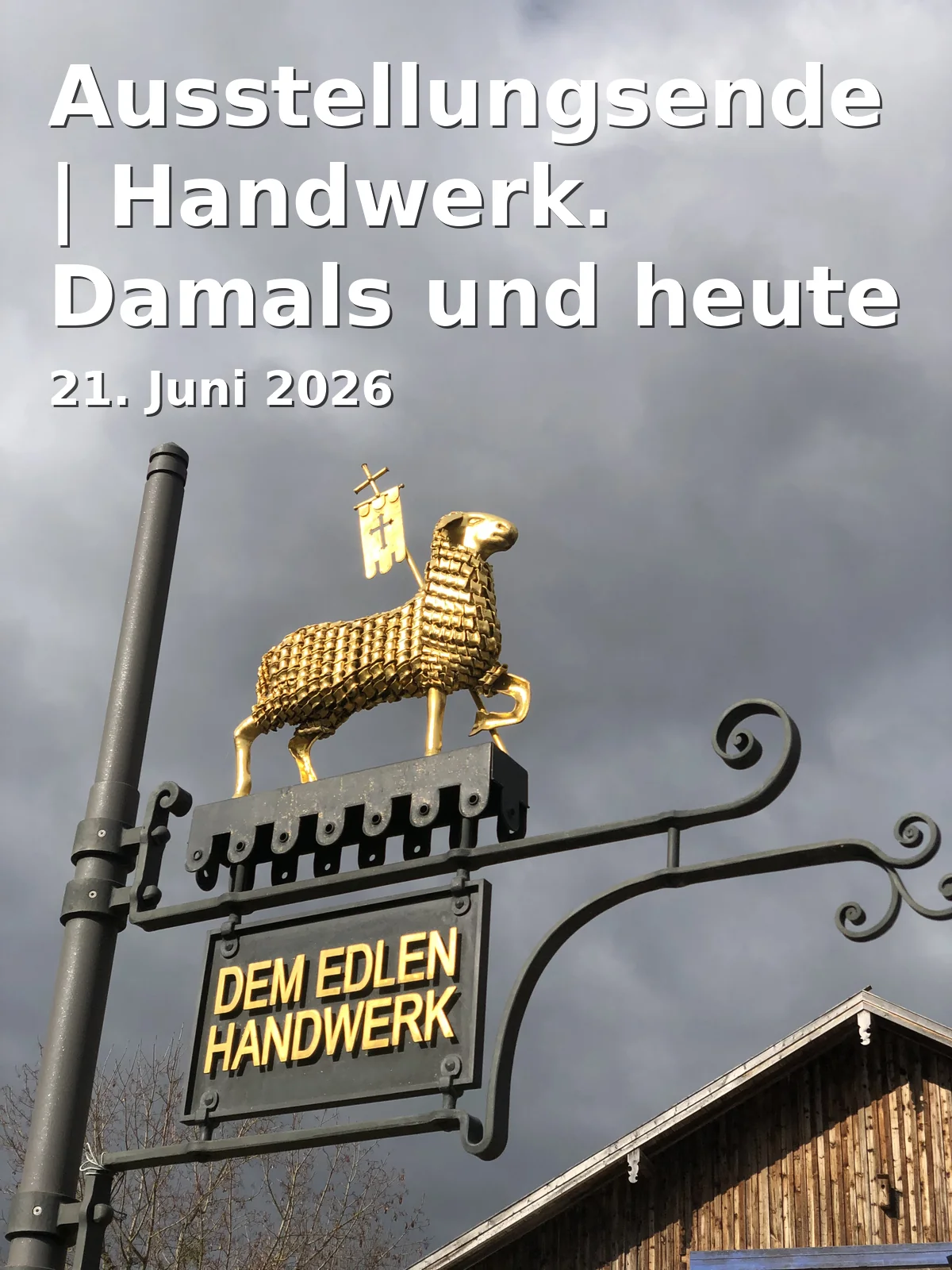
Exhibition End | Craftsmanship. Then and Now
Discover the exhibition "Craftsmanship. Then and Now" at the Regional Museum Neubrandenburg.
Frequently Asked Questions
Reviews
asfandyar khan
12. May 2025
A relatively OK museum
Axel Reise Reise Reinke
3. September 2023
ok
Antje S
1. March 2026
A really great museum. We even got extra insights into the city's history with a personal tour. It's interestingly structured and covers all eras. You can buy a combo ticket with the art museum for just €10. Thank you!
Thomas Schilke
27. November 2025
Very interesting museum, beautifully designed, modern, and appealing. The city's history is presented in a super exciting way, and there are many interactions. Simply excellently done. Definitely worth it.
Ina S.
1. March 2026
We visited as adults with kids (teenagers) and were very positively surprised by the modern, interesting, and interactive exhibition at a very affordable entrance fee. The rooms of the monastery, where the exhibition is located, frame the exhibits excellently. A highlight for us was the city model, where the city's history was explained very vividly through projection. Even as a native of Neubrandenburg, I learned quite a bit. Great! A special thanks also goes to the very nice staff who kindly guided us through the rooms and exhibition!