
Jonathan Glazer
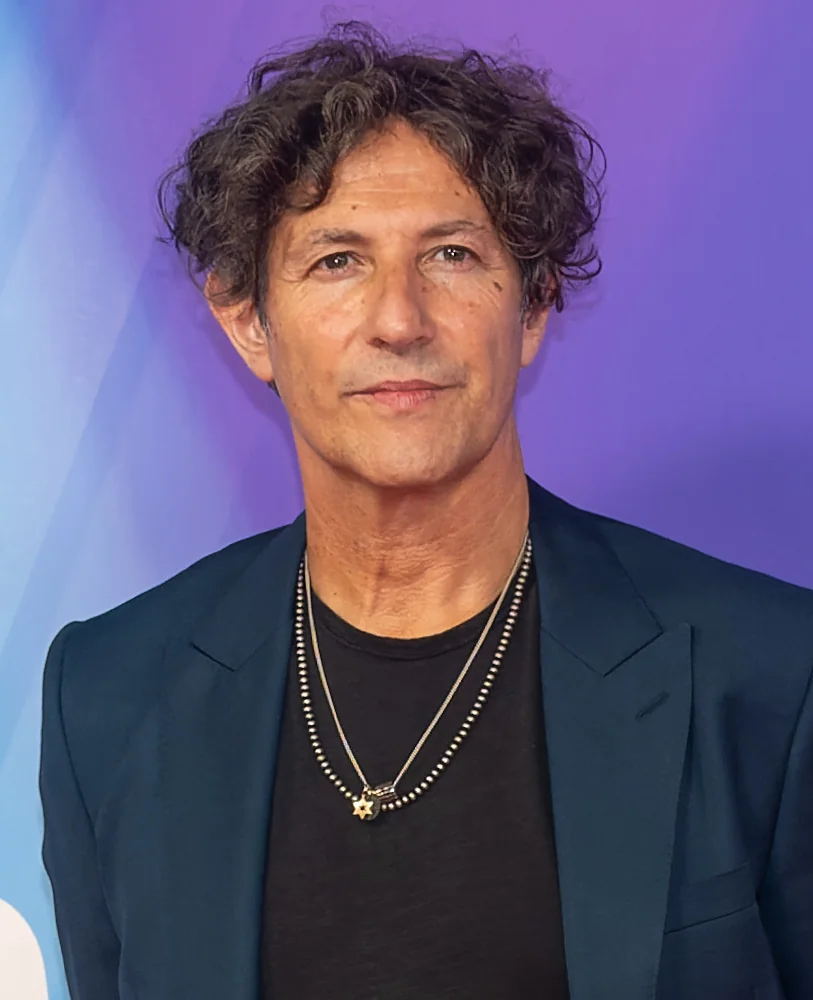
Image from Wikipedia
Image from Wikipedia
Jonathan Glazer: The Image-Maker of Disturbing Cinema Between Pop, Precision, and Moral Weight
A British auteur director who has transformed the uncanny into a unique cinematic language
Jonathan Glazer was born on March 26, 1965, in London and has developed into one of the most distinctive British directors of his generation. He gained international recognition with feature films like Sexy Beast (2000), Birth (2004), Under the Skin (2013), and The Zone of Interest (2023), which solidified his reputation as a precise image director and uncompromising storyteller. His career combines music video aesthetics, advertising film experience, and auteur cinema into a distinctive artistic signature. ([en.wikipedia.org](https://en.wikipedia.org/wiki/Jonathan_Glazer?utm_source=openai))
Biography: From the London Creative Scene to International Auteur Cinema
Glazer studied set design and theater design at Nottingham Trent University and initially began his career in theater, trailers, and visual short formats. This early proximity to staging and design continues to shape his work today: His films often resemble strictly composed tableaus, where every glance, every movement, and every cut is dramaturgically loaded. Even at this stage, it was clear that Glazer did not come from the classical production flow of British cinema but from a visual culture that takes rhythm, atmosphere, and surface seriously. ([en.wikipedia.org](https://en.wikipedia.org/wiki/Jonathan_Glazer?utm_source=openai))
His international career began with music videos and advertisements before he was definitively recognized as a feature film director with the gangster drama Sexy Beast. The blend of stylistic control and psychological tension remained a core aspect of his broader music career as a form of audiovisual art, for his films often also utilize sound as a narrative force. It is this control over sound, space, and rhythm that makes Glazer a director whose works resonate far beyond mere plot. ([edueda.net](https://www.edueda.net/index.php?title=Glazer_Jonathan&utm_source=openai))
The Breakthrough with Sexy Beast and the Establishment of a Radical Cinematic Language
Sexy Beast made Glazer known to a broad international audience and already showcased the themes that would later define his filmography: eruptive violence, psychological instability, and a precise gaze at male power games. The film combined darkly humorous crime storytelling with dense, almost operatic staging. This mix of genre and authorial signature immediately granted Glazer authority in contemporary British cinema. ([en.wikipedia.org](https://en.wikipedia.org/wiki/Jonathan_Glazer?utm_source=openai))
With Birth, he significantly shifted the focus towards psychological mystery and formal rigor. The reception remained controversial, but this very controversy highlighted that Glazer is a director who does not provide convenient solutions. His cinema refuses smooth storytelling and relies on ambiguity, silence, and precisely composed uncertainty. Early on, film critics began to perceive him as an author with a strong aesthetic signature. ([en.wikipedia.org](https://en.wikipedia.org/wiki/Jonathan_Glazer?utm_source=openai))
Under the Skin: The Leap into Radical Atmosphere
With Under the Skin, Glazer reached a new artistic peak in 2013. The film is often described as one of the most distinctive science fiction and body horror titles of the decade because it makes existential alienation palpable rather than explaining it. The staging relies on reduction, visual rigor, and a sound dramaturgy that intensifies the discomfort of the images. ([en.wikipedia.org](https://en.wikipedia.org/wiki/Jonathan_Glazer?utm_source=openai))
It is particularly in this work that Glazer's exceptional control over film style, image composition, and atmosphere is evident. The camera observes rather than comments; the editing condenses rather than explains. For many critics, the film marked the moment when Glazer transitioned from a much-noted director to a reference point of modern auteur cinema. This development strengthened his reputation as a filmmaker of considerable artistic consequence and unmistakable style. ([en.wikipedia.org](https://en.wikipedia.org/wiki/Jonathan_Glazer?utm_source=openai))
The Zone of Interest: A Work of Historical Weight
The Zone of Interest brought Glazer the greatest international resonance to date in 2023. The film, which depicts the family of Auschwitz commandant Rudolf Höss living in close proximity to the concentration camp, won the Grand Jury Prize and the FIPRESCI Prize at the Cannes Film Festival; it later received numerous other awards and Oscar nominations. The Academy highlighted the work in its Cannes and Oscar contexts as one of the standout films of the year. ([euronews.com](https://www.euronews.com/culture/2024/02/01/nazism-seen-from-the-inside-by-jonathan-glazer?utm_source=openai))
The film was also described by critics as a formal and moral challenge. In interviews, Glazer spoke about the responsibility of depicting the Holocaust on film and the necessity of a radically precise stance. This seriousness contributed to The Zone of Interest being perceived not only as a historical film but as a densely aesthetic and ethical auteur work. The international reception solidified Glazer's position as a director of extraordinary authority. ([ledauphine.com](https://www.ledauphine.com/culture-loisirs/2024/01/31/jonathan-glazer-cineaste-traiter-de-la-shoah-est-une-grande-responsabilite?utm_source=openai))
Discography in a Broader Sense: Music Videos, Sound, and Pop Cultural Influence
Although Jonathan Glazer is not a musician but a director, his work in music videos is a defining chapter of his biography. In visual pop history, he is particularly associated with works for Massive Attack, Radiohead, Blur, Nick Cave, and UNKLE; his videos have been praised multiple times for their formal inventiveness and their dark, often disturbing imagery. This places Glazer at the intersection of music, montage, and visual composition. ([edueda.net](https://www.edueda.net/index.php?title=Glazer_Jonathan&utm_source=openai))
It is precisely this early work in the music industry that explains much of his later film aesthetic. Rhythm and editing concepts, strong iconic images, and a high sensitivity to sound usage are omnipresent in his feature films. His body of work can therefore be read as an extended audiovisual discography: less in albums and more in images, less in songs and more in sequences that evoke a similar emotional immediacy. ([edueda.net](https://www.edueda.net/index.php?title=Glazer_Jonathan&utm_source=openai))
Style: Precision, Distance, Tension, and an Unmistakable Sense of the Uncanny
Glazer's directorial style is characterized by reduction and control. He often prefers sparse dialogue, strong visual axes, and a staging where space itself becomes a dramatic factor. This attitude makes his films studies on perception, power, and the hidden layers of human behavior. ([en.wikipedia.org](https://en.wikipedia.org/wiki/Jonathan_Glazer?utm_source=openai))
His works combine auteur cinema with a deep sensitivity to pop and media aesthetics. The result is not a smooth stylistic approach but a form of precision cinema that consciously relies on friction. This is precisely why his films linger in memory: they function not only as stories but as experiences that intertwine image, sound, and meaning. ([edueda.net](https://www.edueda.net/index.php?title=Glazer_Jonathan&utm_source=openai))
Cultural Influence and Critical Reception
Jonathan Glazer is now considered a key figure in contemporary British cinema because he unites genre, art film, and pop culture without hierarchy. His works have been awarded at major festivals and widely discussed in international criticism, from Cannes to the BAFTA Awards and the Oscars. Particularly The Zone of Interest demonstrated how strongly his cinema can trigger societal debates. ([bafta.org](https://www.bafta.org/awards/film/director?utm_source=openai))
His relationship with music and advertising has also influenced a generation of filmmakers who understand visual storytelling as an autonomous art form. In this sense, Glazer represents cinema that does not solely rely on plot but on atmosphere, composition, and moral tension. Therefore, his films are not only watched but analyzed, quoted, and continuously reassessed. ([edueda.net](https://www.edueda.net/index.php?title=Glazer_Jonathan&utm_source=openai))
Current Projects and Releases
Glazer remained particularly visible in 2024 and 2025 primarily due to the global resonance of The Zone of Interest and his appearances in the context of award ceremonies and film debates. The available verified sources do not document any clearly named new feature film projects or releases during this period, but rather the ongoing reception of his latest work and his status in international arthouse cinema. ([oscars.org](https://www.oscars.org/oscars/ceremonies/2024?utm_source=openai))
Conclusion: A Director for Viewers Seeking Cinema as Experience
Jonathan Glazer remains exciting because he understands film not as routine but as a precisely shaped event. His career showcases an artist who has undergone an extraordinary evolution from music videos and visual pop culture to historically charged auteur cinema. Those interested in intense imagery, strong atmosphere, and uncompromising direction will find in his works a cinema of rare consistency. Glazer should be experienced not just by watching but in the cinema hall. ([en.wikipedia.org](https://en.wikipedia.org/wiki/Jonathan_Glazer?utm_source=openai))
Official Channels of Jonathan Glazer:
- Instagram: No official profile found
- Facebook: No official profile found
- YouTube: No official profile found
- Spotify: No official profile found
- TikTok: No official profile found
Sources:
- Wikipedia - Jonathan Glazer
- Wikipedia - Jonathan Glazer (English)
- BAFTA - Director Award Page
- Academy / Oscars - The 96th Academy Awards 2024
- Academy Newsletter - Must-See Movies at the 2023 Cannes Film Festival
- Los Angeles Times - Making 'The Zone of Interest'
- Euronews - Nazism seen from the inside by Jonathan Glazer
- Euronews - Interview / Coverage on Jonathan Glazer
- Wikipedia: Image and text source