
Franz von Pocci
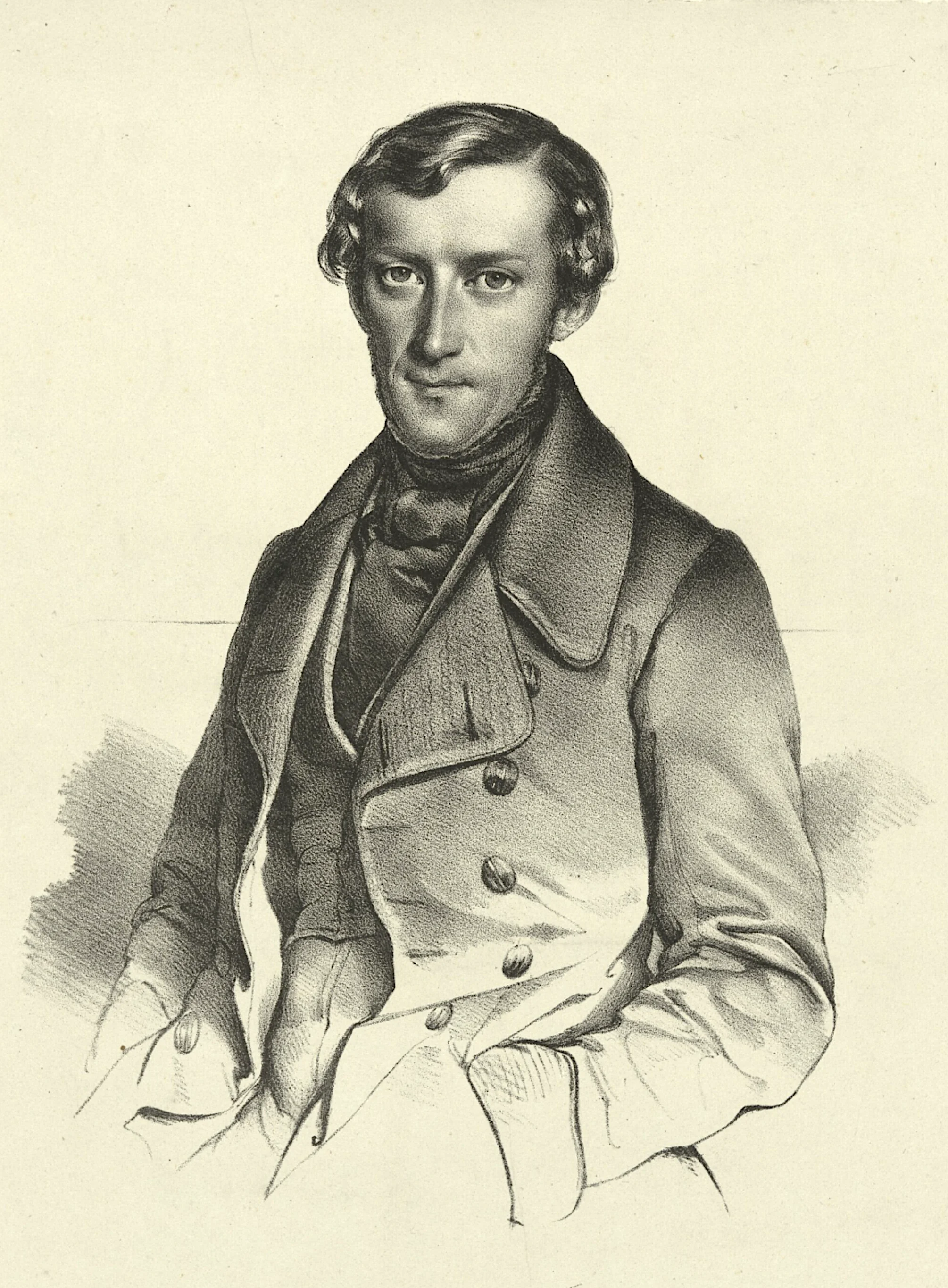
Image from Wikipedia
Image from Wikipedia
Franz von Pocci: The “Kasperlgraf” Between Court, Art, and Puppetry
An Extraordinary Artist in German Cultural History
Franz von Pocci is one of those rare personalities of the 19th century who refused to be confined to a single art form. As a draftsman, engraver, writer, musician, and composer, he shaped Bavarian culture with a versatility that continues to fascinate today. Born in 1807 in Munich and passing away there in 1876, he became known primarily for his work in the Kasperl and puppet theater, earning him a place in cultural history as the “Kasperlgraf.” ([de.wikipedia.org](https://de.wikipedia.org/wiki/Franz_von_Pocci?utm_source=openai))
Background, Education, and the Path to the Munich Court
Franz Ludwig Evarist Alexander von Pocci came from a noble family and gained early access to education, courtly environment, and artistic practice. After studying law in Landshut and Munich, he initially emerged as a legal intern in Starnberg and Dachau before being appointed as chamberlain and master of ceremonies by King Ludwig I of Bavaria in 1830. This proximity to the court became formative for his artistic development, providing him not only social prestige but also direct insight into the cultural mechanisms of his time. ([bavarikon.de](https://www.bavarikon.de/object/bav%3ABSB-LPB-000AP00000000200?utm_source=openai))
The combination of courtly duties and artistic productivity makes Pocci's career unique. He operated within a milieu where representation, education, and entertainment were closely intertwined. Precisely from this arose the blend of elegance, irony, and accessibility that would make his later works so distinctive. ([bavarikon.de](https://www.bavarikon.de/object/bav%3ABSB-LPB-000AP00000000200?utm_source=openai))
The Breakthrough as Illustrator, Poet, and Music Creator
Pocci initially made a name for himself as an illustrator and draftsman. His works, particularly Des Kinderheimath in Liedern und Bildern from 1846 and Alte und neue Kinderlieder, co-published with Karl von Raumer, are especially noted in the sources. These works already demonstrate how adeptly he interconnected image, text, and musical impulse, creating a distinct form of a poetic children's world. ([bavarikon.de](https://www.bavarikon.de/object/bav%3ABSB-LPB-000AP00000000200?utm_source=openai))
As a composer, he also left his mark, for example with smaller vocal pieces and the opera Der Alchymist. His music was not intended for virtuoso self-presentation, but rather for theatrical effect, comprehensibility, and dramaturgical function. This is where its historical significance lies: Pocci worked on music that brought together literature, stage, and popular entertainment in a culturally significant space. ([ensie.nl](https://www.ensie.nl/winkler-prins-1870/pocci?utm_source=openai))
Kasperl, Puppet Theater, and Cultural Influence
Pocci gained particular fame through his plays for the Munich Puppet Theater. Between 1859 and 1877, six volumes of the Lustigen Komödienbüchleins were published, containing a total of 53 Kasperl comedies, knight plays, fairy tale performances, prologues, and interludes. In collaboration with Josef Leonhard Schmid, a close connection between practical stage and poetic invention was established for the first time in the history of German puppetry. ([fidena.de](https://www.fidena.de/publish/viewfull.cfm?objectid=cb781667_e081_515d_745b5c44958f432b&utm_source=openai))
The figure of the snag-nosed, harlequin-like "Kasperl Larifari" became an iconic representation of the Munich Puppet Theater. Pocci shaped it not only into a comedic stage figure but also a literary stance: playful, cunning, child-friendly, and at the same time satirically nuanced. This very blend explains why he is still regarded as a classic of literary puppetry today. ([bavarikon.de](https://www.bavarikon.de/object/bav%3ABSB-LPB-000AP00000000200?utm_source=openai))
Stylistic Diversity: Drawing, Satire, and Musical Thinking
Pocci’s work is characterized by remarkable stylistic openness. In addition to his children’s songs and theater texts, he created caricatures, graphic prints, and illustrations that reveal his keen eye for character, type, and punchline. Several sources note that he was also productively involved in the Münchener Bilderbogen for decades and thus deeply rooted in the visual culture of the 19th century. ([czech.wiki](https://www.czech.wiki/wiki/Franz_von_Pocci?utm_source=openai))
As a musician and composer, Pocci seemingly always thought scenically. His works carry the signature of an artist who understood rhythm, language, and image as interconnected forms of expression. This interdisciplinary approach makes him particularly intriguing from today’s perspective, as it anticipates the modern concept of a cross-media art practice. ([ensie.nl](https://www.ensie.nl/winkler-prins-1870/pocci?utm_source=openai))
Court Positions, Artistic Productivity, and Historical Context
Several biographical accounts emphasize Pocci's close ties to the Bavarian court. He held various court positions and accompanied Ludwig I on trips to Italy; later, he is also listed in older reference works as court music director in Munich. These positions granted him influence but also an exceptional perspective on the cultural self-staging of the Kingdom of Bavaria. ([bavarikon.de](https://www.bavarikon.de/object/bav%3ABSB-LPB-000AP00000000200?utm_source=openai))
His significance extends beyond mere court personnel. The context of the Goethe era, the folk culture of Kasperl, romantic medieval references, and the Biedermeier children's world merge in his work into a characteristic Bavarian artistic language. Therefore, research emphasizes not only his productivity but also his role as a mediator between high culture and popular entertainment. ([goethezeitportal.de](https://www.goethezeitportal.de/wissen/enzyklopaedie/franz-graf-von-pocci.html?utm_source=openai))
Discography, Overview of Works, and Reception
A modern “discography” in the pop music sense naturally does not exist for Franz von Pocci, but his groups of works can be read as an artistic comprehensive catalog. These include children’s songs, song collections, plays, Kasperl comedies, opera fragments, drawings, and satirical sheets. The sources repeatedly emphasize that his children’s and Kasperl works are among the most well-known components of his oeuvre and became particularly influential historically. ([bavarikon.de](https://www.bavarikon.de/object/bav%3ABSB-LPB-000AP00000000200?utm_source=openai))
The critical reception positions Pocci as a significant poet, draftsman, and composer, whose reputation has been shaped primarily by the connection of art and the children’s world. Academic texts and cultural historical portals highlight that he wrote a lasting chapter in German theater and book history with his puppet plays and illustrations. The discussion around the early form of comics also points to his experimental role within the image-text culture of the 19th century. ([de.wikipedia.org](https://de.wikipedia.org/wiki/Franz_von_Pocci?utm_source=openai))
Current Projects and Present-Day Presence
Since Franz von Pocci lived in the 19th century, there are, of course, no current albums, singles, or tours in today’s sense. His present-day recognition primarily arises through cultural historical research, exhibitions, societies, and digital archiving. Particularly, the Franz Graf von Pocci Society and museum collections keep his work alive in public consciousness. ([grafpocci-gesellschaft.de](https://www.grafpocci-gesellschaft.de/der-patron/?utm_source=openai))
This ongoing reception shows how sustainably Pocci’s artistic legacy continues to resonate. His texts, drawings, and stage characters appeal even in the 21st century to an audience seeking more than mere nostalgia in the interplay of humor, fantasy, and cultural depth. ([fidena.de](https://www.fidena.de/publish/viewfull.cfm?objectid=cb781667_e081_515d_745b5c44958f432b&utm_source=openai))
Fan Voices
No official profile found.
Conclusion: Why Franz von Pocci Still Captivates Today
Franz von Pocci is an exceptional figure in German cultural history: shaped by the court, artistically radically versatile, and close to folk culture. His work connects drawing, literature, music, and theater into a unique, unmistakable handwriting that derives from both pedagogical warmth and satirical precision. Anyone wanting to understand the roots of the German Kasperl, Bavarian cultural history, and poetic stage fantasy cannot overlook Pocci. ([bavarikon.de](https://www.bavarikon.de/object/bav%3ABSB-LPB-000AP00000000200?utm_source=openai))
It is precisely in live performance that the legacy of such artists unfolds most strongly: in the performance, the scenic rediscovery, and the vibrant engagement with historical material. Franz von Pocci remains fascinating because he understood art not as a specialty but as a total experience. Those who enter his world discover a classic that invites precise observation, listening, and rediscovery even today. ([goethezeitportal.de](https://www.goethezeitportal.de/wissen/enzyklopaedie/franz-graf-von-pocci.html?utm_source=openai))
Official Channels of Franz von Pocci:
- Instagram: no official profile found
- Facebook: no official profile found
- YouTube: no official profile found
- Spotify: no official profile found
- TikTok: no official profile found
Sources:
- Wikipedia – Franz von Pocci
- bavarikon – Author Portrait of Franz Graf von Pocci
- Franz-Graf-von-Pocci-Society – The Patron
- FIDENA – Pocci, Franz Graf von
- Goethezeitportal – Franz Graf von Pocci
- Treccani – Franz Pocci
- Pinakothek der Moderne – Pocci's Life Dates
- Münchner Merkur – Graf Pocci's View of Things