Museums in Neubrandenburg: Learning Venues That Awaken Knowledge
Museums & Learning Venues in Neubrandenburg: Ideas for Your Next Visit (Upcoming Dates & Experiences)
Are you planning a culture and learning day in Neubrandenburg in the coming weeks or months? This guide brings together four places that can convey knowledge in a particularly vivid way in the future – from city history to contemporary art, literature, and everyday knowledge – and shows how you can plan your visit as a future experience.
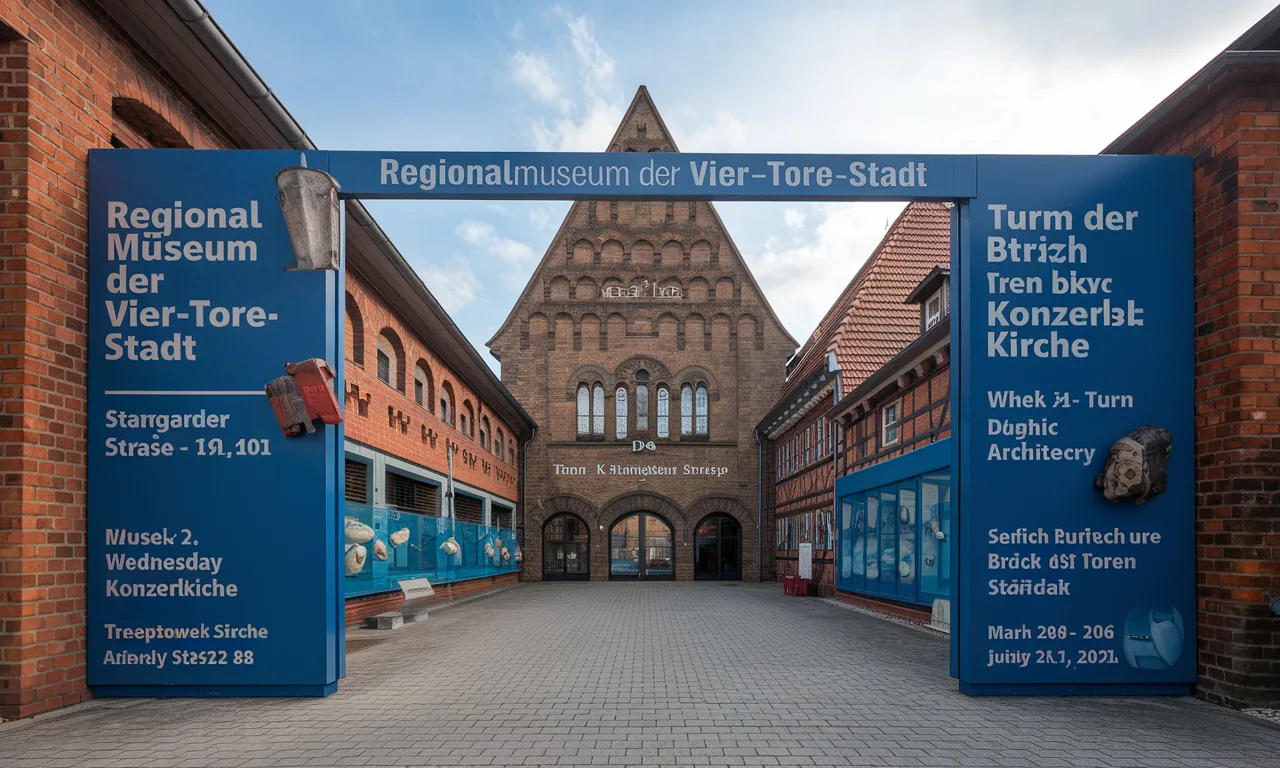
Regional Museum (Monastery) – City History as an Experience
If you are planning a visit to Neubrandenburg in the coming weeks, the Regional Museum (in the monastery) can be a good starting point to experience the city's history in a vivid way. Especially for future dates, it is worth checking in advance for guided tours, special exhibitions, or themed tours, as such formats often make connections more accessible than a purely individual visit.
Particularly interesting are often questions such as: How has the city developed? Which traces are still visible today? And what everyday stories lie behind the objects? If you use the visit as a place of learning, you can set yourself a small goal in advance: for example, to find three things that change your view of the city.
Art Collection – Learning to See & Discuss
In the coming months, the art collection can be a strong place of learning if you want to use contemporary art not only to "look at" but as training for perception, argumentation, and changing perspectives. Especially changing exhibitions can always open up new approaches: color, form, material, photography, graphics, or sculpture become occasions to ask questions and justify your own interpretations.
If you are preparing your next visit, look for announced vernissages, artist talks, or curator tours. Such dates make it easier to understand connections (work process, context, motives) – without being given a "correct" interpretation.
Brigitte Reimann Literature House – Language, Attitude, Questions
If you want to experience literature as a living learning space soon, the Brigitte Reimann Literature House can be a suitable place: Here, writing, biography, contemporary relevance, and ethical questions can often be combined in a dense, personal atmosphere. For future visits, especially announced readings, talks, or theme evenings are interesting, as they turn literature into an exchange.
For school and study groups, an upcoming visit can be particularly fruitful if you set learning goals in advance, for example:
- Language & Style: Which narrative attitude has what effect – and why?
- Context: How do characters, conflicts, and dialogues reflect social expectations?
- Own Writing: Which observation from the visit can you transfer into a short text?
Also, plan enough time for your upcoming appointment: literary venues often have an effect beyond what is seen, as they encourage quiet reflection and later conversations.
Insurance Museum in the Wiekhaus – Risk, Provision, Community
For a future walk along the city wall, the Insurance Museum in the Wiekhaus can be a surprising addition: The topic of risk (fire, accident, liability, harvest, transport) is often conveyed there not abstractly, but as part of everyday and economic history. That is why the place is particularly suitable for future group visits, where you want to make "dry" topics accessible through stories, examples, and questions.
If you are planning to visit soon with children or a school group, it is worth checking in advance for child-friendly formats and time slots, as smaller venues often offer programs seasonally and with limited capacities.
Questions you can take with you on your next visit
- Which risks did people in the past perceive as particularly threatening – and which ones today?
- How does provision change the behavior of individuals and communities?
- What role do rules, contracts, and trust play in making security work?
Suggestion for Your Future Museum Day (Flexibly Planable)
So that your next visit day does not turn into stress, a schedule that combines learning and breaks helps. This suggestion is deliberately flexible, as programs, durations, and opening hours can change.
- Start with context: Begin with a place that gives you orientation (e.g., city history). Write down 3 things you "see differently" after the tour.
- Change of medium: Then move on to art or literature to change perspective (visual ↔ verbal). Formulate a question you would ask in the next discussion format.
- Short break: Plan a real break (drink, seat, sort notes). This increases retention and conversation quality.
- Conclusion with everyday relevance: Finally, choose a place that translates knowledge back into everyday life (e.g., risk, responsibility, solidarity).
Important for your next planning: Shortly before the date, check the official information from the venues (opening hours, ticket/admission rules, program, accessibility notes) so that your day works reliably.
Accessibility & Good Visitor Behavior (for Future Visits)
So that your next visit remains pleasant for you and others, two principles help: consideration and planning ability. Many institutions publish information in advance about access, seating, companions, photography, as well as quiet and conversation zones.
- Check accessibility in advance: Especially in historic buildings, paths, stairs, or narrow spaces can play a role. Find out about access, elevators, or alternative routes before your planned visit.
- Respect photo rules: Clarify on your next visit whether and where photography is allowed (protection of exhibits, rights, privacy).
- For groups: If you are coming with a class soon, agree on times and goals in advance. This improves learning quality and relieves the venue.