Industrial Culture & Architecture in Neubrandenburg
Industrial Culture & Architecture in Neubrandenburg: Experience East Modernism in the Future
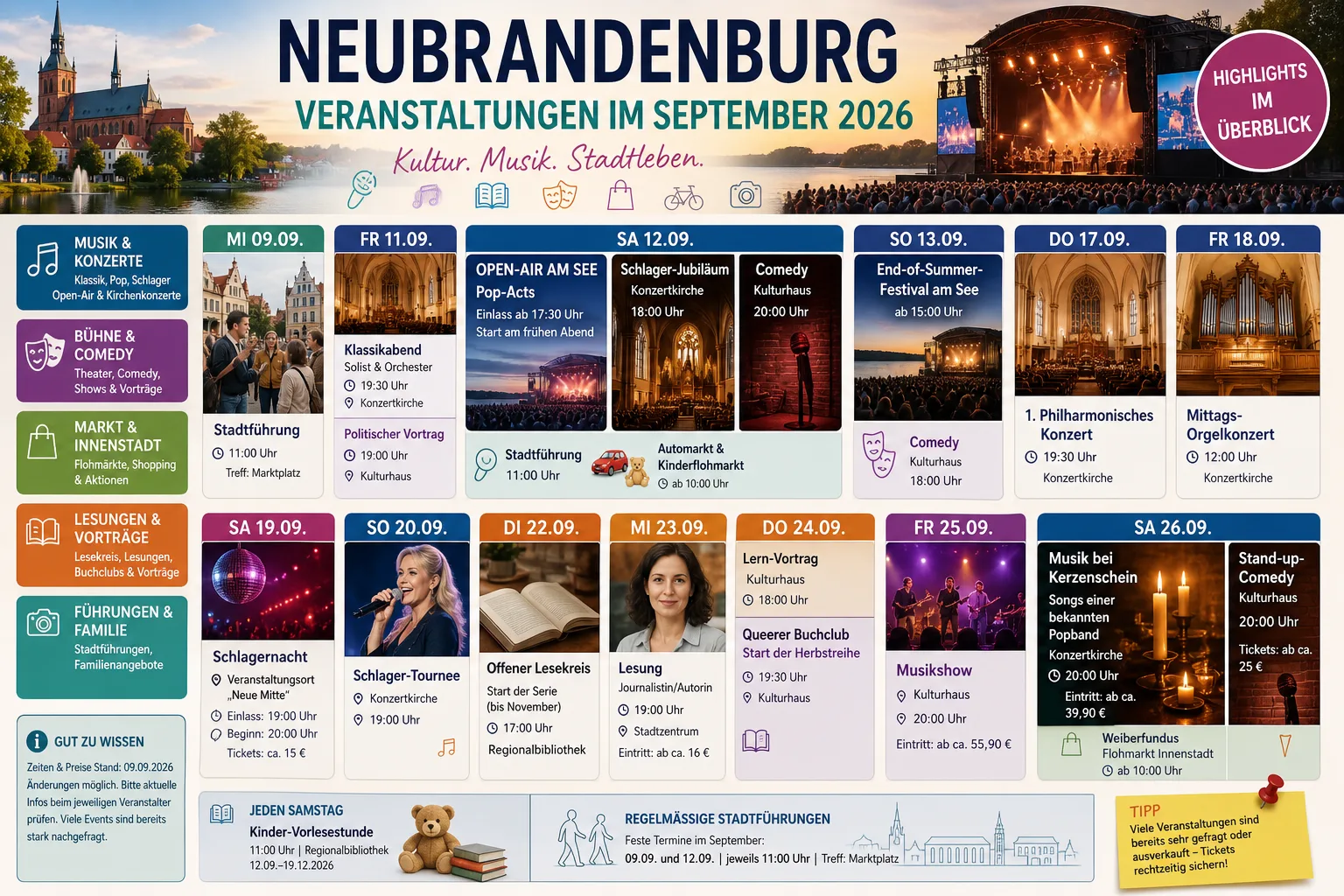
Ideas for upcoming tours, lectures, and digital discoveries around prefab buildings, WBS70, and concrete shells.
What the coming months will be about
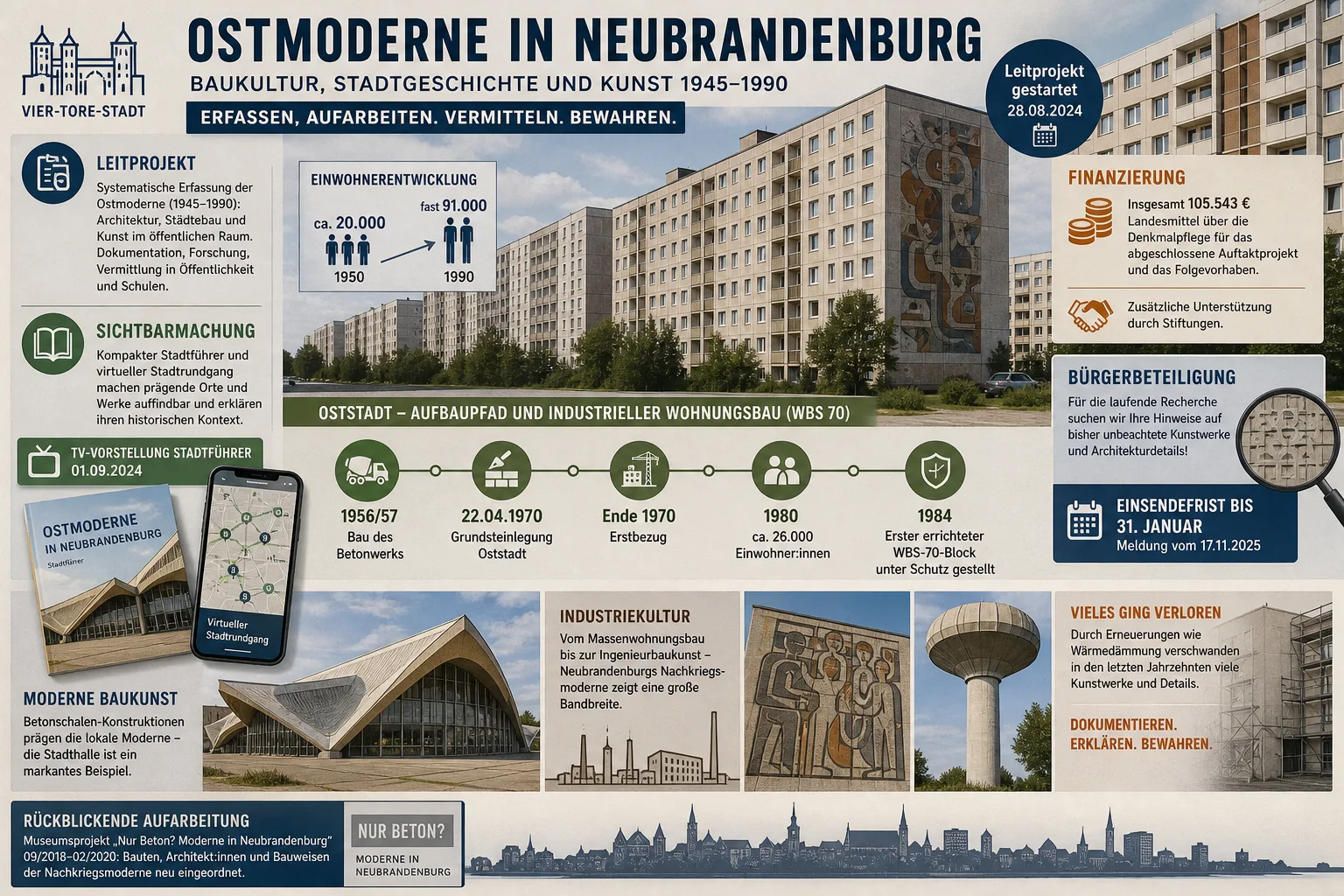
In Neubrandenburg, the engagement with industrial culture and East Modernism will continue to gain importance as a topic for future city explorations, educational offerings, and monument debates. Those who want to walk through the city more consciously in the coming months can focus on two questions: Which forms of serial architecture (for example, WBS70) are explained during tours, and where are engineering constructions (such as hypar shells) conveyed as design and technical history?
This article bundles concrete suggestions for how a future visit can be planned: as a walk, as a thematic tour, or as digital preliminary research.
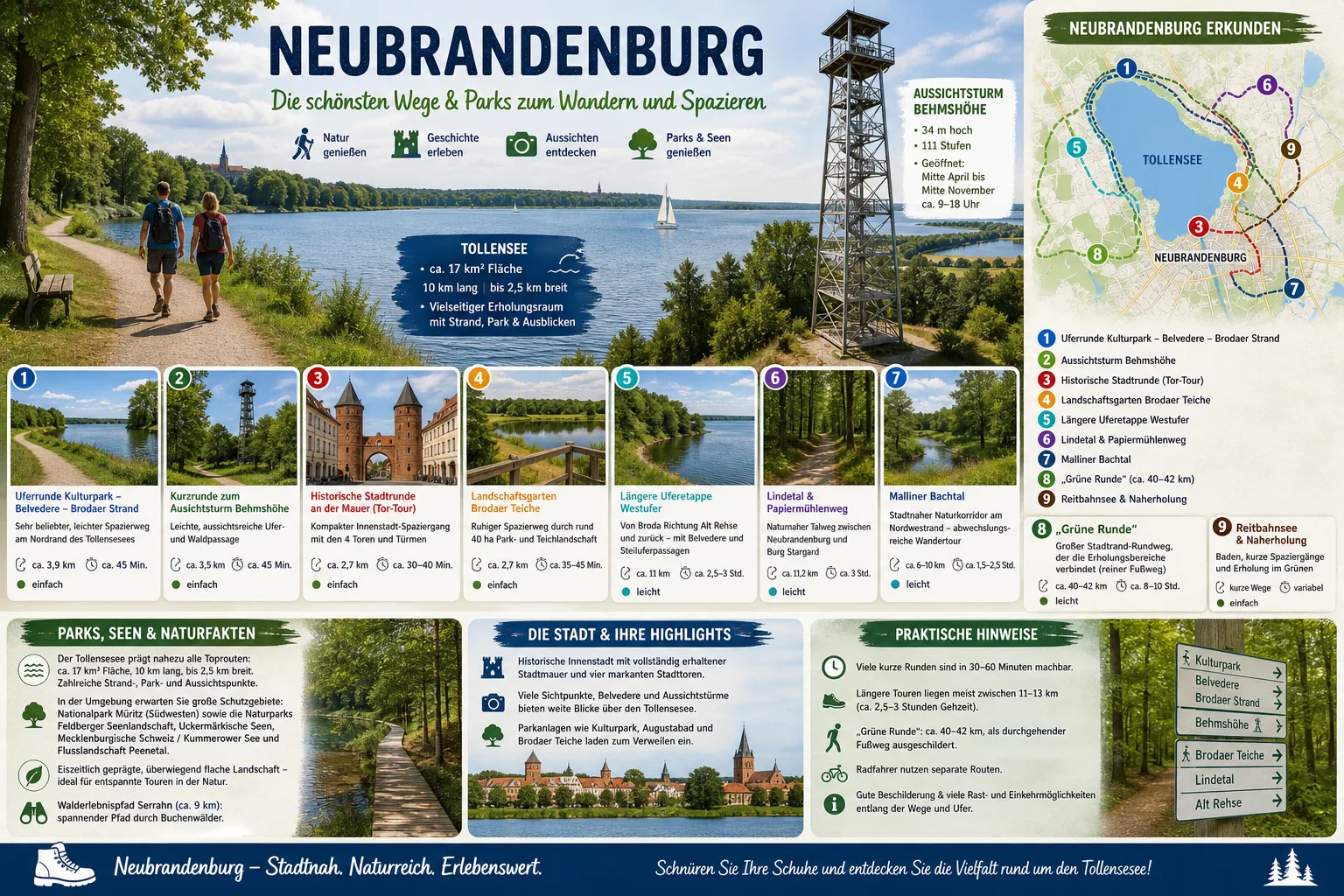
Upcoming City Walks: How to Plan Your East Modernism Route
For a future tour, a route is recommended that consciously combines everyday architecture and iconic individual buildings. This creates a comprehensible picture of how residential construction, cultural and event buildings, and art in architecture interact.
Suggestion for a future tour (approx. 2–3 hours)
-
Starting point in a residential area with serial building types
You can start the tour in an area where typical elements of standardized residential construction are easily comparable: floor plan logic, facade rhythm, house entrances, stairwells, open spaces. On site, note 3–5 features (e.g., balcony arrangement, window axes, material changes) that you can later compare with other buildings.
-
Stopover: Art in public space
Plan a stop at places where art in architecture, mosaics, reliefs, or designed squares come into focus. For the next tour, it is worthwhile to choose the stations so that they are easily accessible without detours and can be well documented photographically.
-
Destination: a building with shell or lightweight constructions
Set an endpoint where the supporting structure and spatial effect can be explained: large spans, areas with few supports, the impression of lightness despite concrete. Take your time: A brief “aha” moment often arises only through a change of perspective (exterior views from different angles, interior effect, lighting).
Tip for future group tours: If you organize a tour for school classes or club groups, the route becomes particularly vivid if each station has a guiding question (e.g., “How is living comfort planned?”, “How is community spatially organized?”, “What does the structure show about the state of engineering?”).
Focus Topics for Upcoming Tours: Explaining WBS70 and Hypar Shells Clearly
WBS70: What visitors can look out for on the next walk-through
- Standardization as a principle: Recurring components and similar building modules can be explained particularly well in the future through comparisons (Block A vs. Block B).
- Suitability for everyday life: On your next visit, pay attention to access, waste and storage areas, pathways, and the question of how “proximity” (playgrounds, shopping, public transport) is spatially organized.
- Renovation & identity: In future discussions, it will be central how energy upgrades, removal of barriers, and design quality can be brought together.
Hypar Shells: How you will “read” the structure on your next tour
- Form follows statics: Plan a moment on your next tour to look at the curved surfaces up close and from a distance to make the load transfer comprehensible.
- Space without supports: If you plan future interior visits, the effect of large spans becomes particularly clear (lines of sight, acoustics, light).
- Understanding materials: For future educational formats, comparing the effect of shells (thin, curved, load-bearing) with classic frame/wall slab principles (more massive, straight-lined) is suitable.
Virtual Tours and Preparation: How You Will Discover More Purposefully in the Future
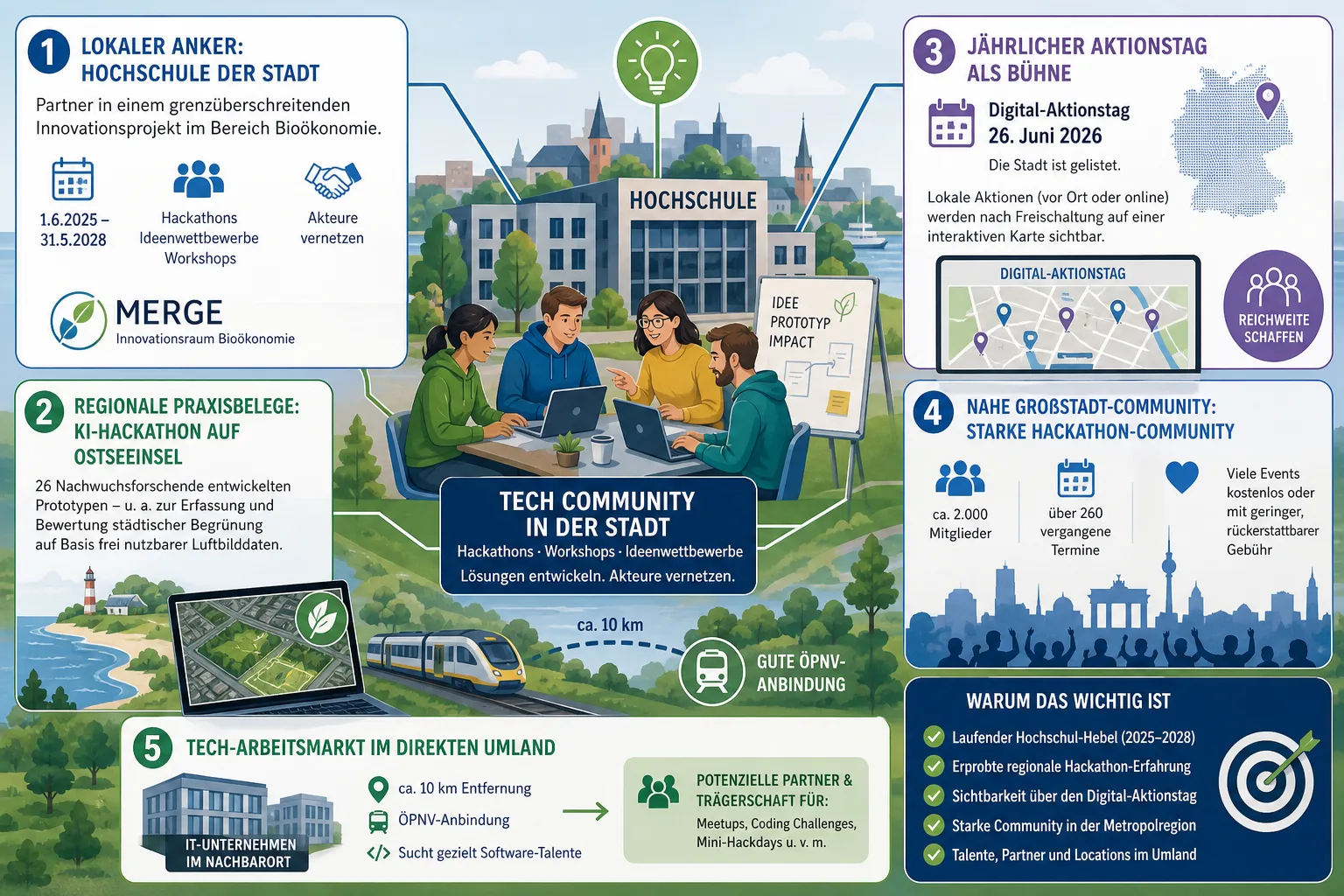
For the next trip to Neubrandenburg, digital preparation can make the difference: Those who use images, maps, and short texts in advance will recognize details on site more quickly, such as facade reliefs, stairwell designs, or the composition of green and square spaces.
- Pre-check (30 minutes): Make a list of 5–8 stations you really want to see and arrange them by walking distance.
- Photo plan: Determine a motif for each station (entrance, corner, facade strip, artwork, structural detail) so you can make comparisons after the visit.
- Follow-up: Sort your impressions directly after the tour into “residential construction,” “culture/public,” “art,” “structure.” This helps with future conversations, tours, or articles.
Future Debates: Preserve, Repurpose, Continue Building
In the coming years, the question will become more acute as to how post-war architecture in cities like Neubrandenburg should continue to be used: Which buildings are conveyed as identity-forming, which are converted, which are further developed in the existing stock?
For the next discussions, three criteria are particularly helpful:
- Utility value: Which use will work in the future (living, culture, sports, education) and how can it be made possible structurally without losing central features?
- Climate suitability: Which renovation strategies will be preferred in the future when energy efficiency, building culture, and embodied energy are considered together?
- Communication: Which buildings can be explained in the future so that not only experts but also neighborhoods and visitors can understand their value?
Anyone visiting Neubrandenburg in the future can test exactly these questions “on the go”: Which spaces feel inviting, which stories become visible, and where is information still missing on site?
Practical Tips for Your Next Visit
- Best perspectives: For the next tour, consciously plan several viewpoints (street level, squares, edges/transitions between neighborhoods).
- Barrier-free route: In the future, choose paths with few elevation changes if you are traveling with a stroller or wheelchair; wide sidewalks and generous open spaces make the tour easier.
- Respect in residential areas: For future photo stops: respect privacy, do not focus on people in windows/entrances, only enter courtyards if they are publicly accessible.